Do You Need Parking Permits for Moving in Austin?

a view of traffic going by along highways at night near Austin, TX's downtown

If you’ve ever tried moving in Austin, you know the real challenge isn’t always the traffic. It’s finding a legal spot to park your moving truck that's close to your front door. You’ve planned your boxes, movers, and timing, but if you forget about parking, your movers might arrive to find no legal space nearby.

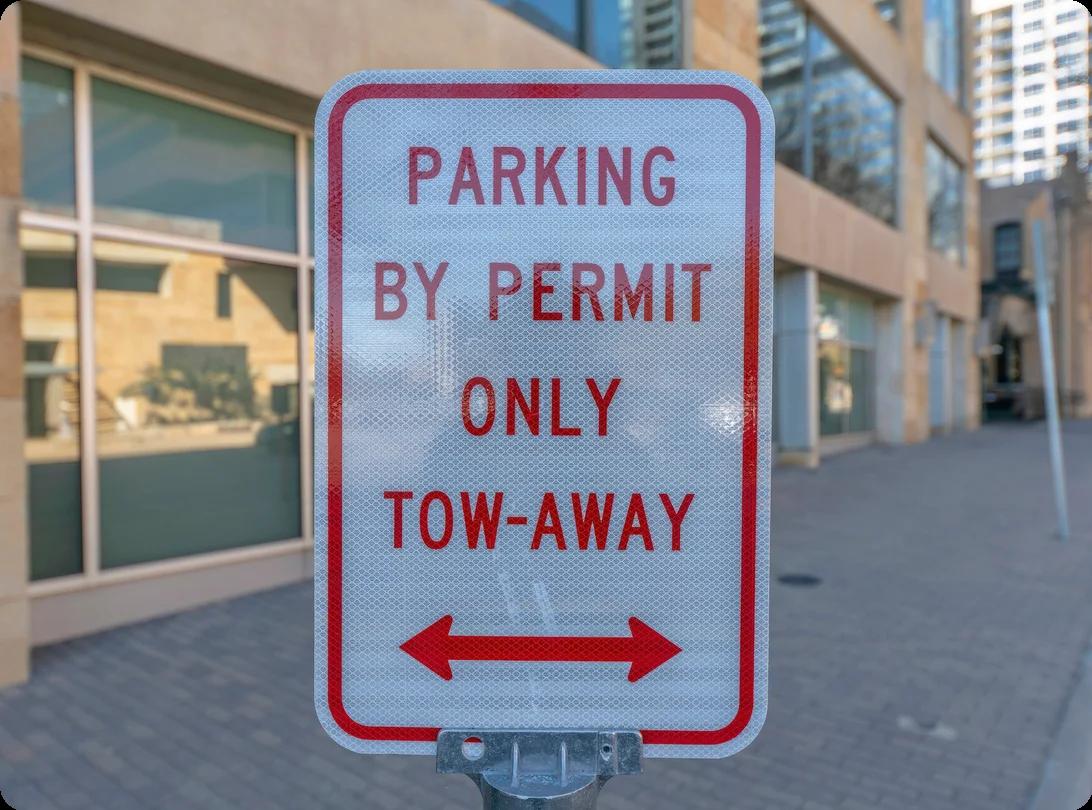
In Austin, you’ll need a Parking Space Reservation Permit to reserve curb space for moving trucks or storage containers that block sidewalks, alleys, or metered spaces.

Parking details are often forgotten until the last minute, and without a permit, you might be greeted with a ticket or a tow truck instead of a warm welcome. This guide will go into all you need to know about parking permits in Austin before moving day, including the step-by-step process of how to get one. For a deeper look at what it’s really like to live in the city, check out our Should You Move to Austin post.


Last updated: Nov 07, 20257 min read
Melanie Morris
Written byMelanie Morris

Key Takeaways

  • Austin requires a Parking Space Reservation Permit to legally block curb space, sidewalks, alleys, or metered spaces with a moving truck or container
  • Apply through the Austin Transportation Department's Right of Way Management Division — submit online, with approval typically taking a few days
  • Even when not required, a permit is worth it in busy areas like Downtown, South Congress, and Rainey Street to save stress, time, and parking fines
  • Skipping the permit can mean fines, tows, or blocked-traffic citations — costs that quickly outweigh the application fee
  • No permit time? Use private parking lots, driveways, or coordinate with nearby property owners as a legal backup
Thomas O'Sullivan
Author

Thomas O'Sullivan

Thomas O'Sullivan is the Senior Manager of Service Operations at Porch Moving Group, where he oversees the post-booking customer experience for HireAHelper. His expertise is the part of a move most people never see — the logistics, coordination, and accountability that turn a booking into a finished move.

Thomas has spent six years in the moving and relocation industry, starting in corporate relocation and long-distance logistics before stepping into his current role. He's supported more than 130,000 moves across local labor, full-service, commercial, and long-distance work — experience he draws on to make sure HireAHelper content reflects how moves actually go.

What Is a Moving Permit?

A moving permit isn’t permission to move; it’s permission to park. In most cities, including Austin, you can’t block public spaces like streets, sidewalks, or metered spots without approval. The goal is to keep traffic flowing while giving you space to load and unload safely.

Here’s how different permits apply:

  • Moving Vehicle Permits: Allow you to legally park moving trucks or vans in metered or public curb spaces during your move.
  • Container Permits: Required for storage containers (like PODS or U-Pack) placed on public streets or easements.
  • Dumpster Permits: Needed if you’re using a dumpster for large cleanouts or renovations during your move.

Some of these situations overlap, and which permit you ultimately need depends on where you’re parking in Austin.


Austin Moving Permit Requirements

A parking permit is more than a courtesy to your neighbors or nearby businesses. It’s often legally required when blocking public spaces. The Austin Transportation Department’s Right of Way (ROW) Management Division issues permits for moving trucks or containers placed in public right-of-way spaces.

When You Need a Permit

  • Your moving truck or trailer will occupy a metered space or curb lane.
  • Your storage container or dumpster will be placed on a public street, sidewalk, or alley.
  • Moving in downtown areas like South Congress or West Campus, where public parking is limited and heavily monitored.

Permit costs vary depending on location and duration, but start with a $50 application fee, then $32–$80 per day for curb or metered space reservations. Expect processing to take 48–72 hours, or longer if your permit covers multiple days or locations.

When You Might Not Need One:

  • Parking entirely on private property, such as a driveway or apartment complex loading dock.
  • Moving in quiet residential neighborhoods, so long as they have open curb space that doesn’t block sidewalks or fire lanes.
  • Unloading for a short time with someone able to move the truck if needed.

Permits at a glance

Permit TypeWhat it Applies ToIssuing Body
Parking Space Reservation PermitRequired to block off curb space, metered parking, or loading zones for moving trucks.Austin Transportation Department
Right-of-Way (ROW) PermitRequired if you place PODS, dumpsters, or equipment in the public right of way (street, sidewalk, alley).Austin Right of Way Management Division

To apply, visit Austin’s ROW Permitting Portal or call 3-1-1 for guidance.


When a Moving Permit Is Nice-to-Have

Even if you don't need a permit to legally park somewhere, having one will often save you stress, time, and money. If you’re moving into or out of high-traffic zones like Downtown, South Congress, or Rainey Street, a reserved parking space can prevent you from circling the block endlessly trying to find an empty spot.

It’s also smart to get a permit if:

  • You’re parking a large moving truck that won’t fit in a standard residential driveway.
  • Your new home is on a narrow or one-way street, especially in historic districts like Hyde Park or Clarksville.
  • You’re moving from an apartment or HOA-regulated community where shared parking rules are enforced (for example, South Shore or Mueller).

A small investment in a permit can keep you compliant with city rules, prevent unwanted parking tickets, and ensure your movers stay on schedule. Even if your movers can handle the logistics, having a permit ready helps prevent last-minute confusion about where the truck can park.


How to Get a Moving Truck Parking Permit in Austin

Austin offers clear steps for reserving curb space or right-of-way areas for your move. It might look complicated at first, but once you know what you need, it takes only a few minutes to apply. Here’s how to do it step-by-step:

Decide on placement

Determine whether your moving truck or container will be on private property (driveway, complex lot) or on the public street. If it’s on private property, you likely won’t need a permit. If you have to park or place your container anywhere else, you’ll need to look into getting a parking permit.

Identify the right permit type

  • Parking Space Reservation Permit: For curbside parking, loading zones, or metered areas.
  • ROW Permit: For containers or dumpsters in public right-of-way areas.

Apply online

Most online forms are straightforward, but here is some of the information you should have on hand before you start so the process goes even faster:

  • Parking location: You’ll need the exact address or block number where you’ll park.
  • Site map: You can also use a simple sketch of the area.
  • Dates and times: You’ll need to know when you’re planning to move.
  • Dimensions: O your vehicle or container, so you know exactly how much space to block off.
  • Proof of insurance: You get this from the container company or your rental.

Pay fees and wait for approval

Fees range from $32–$80 per day, depending on the space and zone. Expect a 48–72 hour processing window. If your move requires multiple days or spans different locations, apply early, especially during busy moving months like May through September.

Post required signage

If you need to put up “No Parking” signs, follow the instructions that came with your permit. For large trucks, place cones next to your signage for added visibility.

Complete the move and close out

Once your move is done, remove signage and confirm closure with the permitting office if required. If you’re unsure whether the city needs confirmation, call 3-1-1 or the Transportation Department to verify and avoid additional fees.

If you’re short on time, you can use a third-party service like Permit Puller, which handles the application and setup process for a small fee. This is helpful if you’re coordinating from out of town. Some moving companies that partner with HireAHelper can take care of everything for you, and our Average Cost of Movers in Austin post breaks down what you can expect to pay.


Alternative Options if You Can’t Get a Permit

Didn’t get a permit in time? Don’t panic! There are still legal ways to park your moving truck or container around Austin without breaking city rules or your moving budget.

If your home or building has a private driveway, loading dock, or parking garage, use it. If you live in an apartment or condo community, those often have designated moving zones and reserved time slots.

“If you’re moving into or out of high-traffic zones like Downtown, South Congress, or Rainey Street, a reserved parking space can prevent you from circling the block endlessly trying to find an empty spot.”

You could also use portable storage containers like PODS or U-Pack, which often fall under different permit rules. Some can even be delivered to driveways or private lots, skipping public ROW restrictions entirely.

If you’re using a moving truck rental, ask whether the company has preferred parking arrangements or partnerships with nearby lots. Then, you can safely unload your truck, permit-free.


Fines and Risks of Skipping a Permit

Skipping a required moving permit in Austin can lead to more than just frustration. The city actively enforces parking rules in busy areas, and unauthorized vehicles blocking public spaces may face:

  • Fines: These can go up to $150 per violation.
  • Immediate towing: If you’re parked in metered or restricted zones, your truck could be towed at any time.
  • Delays and added moving costs: If your crew can’t unload close to your building, that could really raise the final price of your move.

In general, it’s much better to spend a few extra dollars on a permit than hundreds recovering an impounded truck.


Parking a Moving Truck in Austin: Best Local Practices

Austin’s historic neighborhoods and dense downtown streets make parking tricky, so planning ahead is essential. Keep these local insights in mind to make your move smoother and avoid parking conflicts.

  • Downtown / Rainey / 6th Street: Most loading zones are metered, so bag meters well in advance, and plan to move before 9 am or after 6 pm to avoid rush-hour congestion.
  • West Campus / UT Area: Streets are tight and often one-way. Large trucks may need to double-park temporarily with a permit. Check for truck size restrictions before arrival.
  • East Austin & Hyde Park: Narrow residential streets can limit access. Avoid blocking alleys and check with neighborhood HOAs for local parking rules.
  • South Congress / SoCo: Heavy pedestrian and commercial traffic. Daytime loading may be restricted. Early morning is your best window.
  • Meter Bagging: Coordinate with the Austin Transportation Department. Rates vary between “Zone 1” and “Zone 2” meters, and unauthorized bagging can result in fines.

Recent Articles

Woman cleaning fridge interior with gloves and spray bottle

Move-Out Cleaning Checklist: Room-by-Room Steps

Moving Day Tips

A move-out cleaning checklist is important for getting your security deposit back, preparing the space for the next tenant, and helping you keep track of often-forgotten cleaning tasks like scrubbing baseboards,... Read More

A pile of boxes filled with various items. Shoes and pillows are stacked on top of some of them

Moving Day Survival Guide: What Should I Keep With Me?

Moving Day Tips

Moving into a new home is an exciting milestone, but it can also be overwhelming. Proper preparation can make the transition smoother and help you settle in quickly.

One of the most important steps in this process... Read More

A homeowner unplugging an electronic device and labeling cords before movers arrive

Preparing for Moving Day: 10 Ways to Make Your Movers' Lives Easier

Moving Day Tips

There are a lot of tips and tricks out there to streamline your move, but ultimately, the best way to prepare for movers is to have everything organized and ready to go before your movers arrive. This not only... Read More

A person spreading rock salt onto an icy driveway after a winter storm

Should You Use Salt or Sand on an Icy Driveway?

Moving Day Tips

Although summer is the most popular moving season for several reasons, moving in the winter also comes with plenty of advantageslike scoring lower rates thanks to off-peak season pricing.

However, there's one... Read More

Moving truck - avoid theft during your move

Avoid Theft During Your Move

Moving Day Tips

Moving to a new place can feel liberating. Still, there’s one concern that can overshadow that excitement: someone walking off with your belongings during the move. Fortunately, a handful of best practices, like... Read More

two movers in work overalls sit in the bed of a truck and look at the camera

Can You Ride with Your Movers?

Moving Day Tips

The short answer is: no, you normally can’t ride with your movers in their truck. Most moving company policies prevent it because of liability concerns and insurance limitations.

Also, many moving trucks only have... Read More