What Should You Pack First When Moving?

A woman sets down an item into a box. The angle of the shot is from the bottom of the box pointing upwards, so it looks as through the woman is reaching towards the camera

The short answer to what you should start packing first is to pack things you don’t use daily. If it can sit in a box for a few weeks without disrupting your routine, it can be packed early. Items in garage storage, off-season clothes or decor, and kitchen tools you rarely touch are all good candidates.

With an entire home to box up, knowing where to begin can feel overwhelming. That’s why starting with a plan can make all the difference. This guide walks you through what to pack first when moving, what to save for last, and when to start so your move feels less chaotic from beginning to end.


Last updated: Jun 30, 20254 min read
Melanie Morris
Written byMelanie Morris

Key Takeaways

  • Pack the stuff you don't use daily first — garage and attic items, holiday decor, off-season clothes, and rarely-touched kitchen tools can all be boxed weeks ahead
  • Start about 8 weeks before move day — that gives you time to work in stages instead of cramming everything into the final week
  • Pack clothing by season — so you're not tearing through every box just to find what fits the current weather at the new place
  • Long-distance moves need extra lead time — you can't run back for forgotten items, so build a longer runway than a local move
  • Use a checklist, a timeline, and an inventory — knowing what to pack first is only useful if you also have a system to track what's already done
Melanie Morris
Author

Melanie Morris

Melanie Morris is an editor and writer at HireAHelper, where she uses observational skills honed from over 7 years of experience (and too much detective fiction) to demystify moving and make sure typos remain at a minimum.

Moving from the southwest up and down the west coast and back again has also given her plenty of firsthand moving experience. Now, she makes sure that even if you're just moving down the block, you have the accurate tips and know-how to make your relocation a breeze.

What to Pack First When Moving

A well-paced packing plan helps you stay organized and avoid last-minute rushing that can lead to errors, panic, or lost items. Start packing for your move using the timeline below.

8 Weeks Out
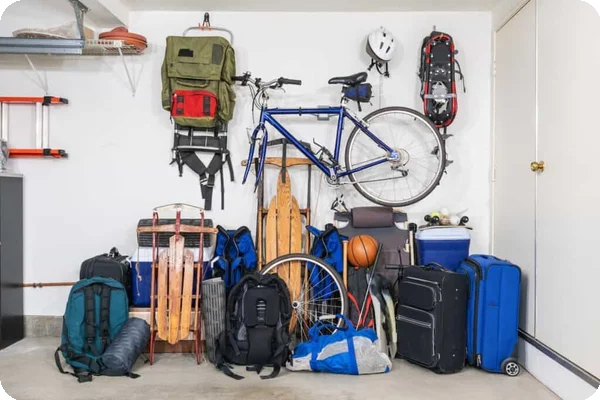
Bikes, sports equipment, several backpacks, a cooler, and sleds are all set against or hung on a garage wall
  • Garage, attic, and basement items
  • Holiday decorations
  • Off-season sports gear
  • Camping equipment
  • Storage closet contents
  • Unused or decorative furniture

Start with anything literally collecting dust. Label your boxes clearly and consider packing items in plastic bins if you plan to store them long-term once you move into your new home.

Also, evaluate items as you pack. If you haven't used something in a year or more, consider donating or selling it to make room for other items. The less you have to pack and haul, the more time and money you can save on your move, so decluttering is an important step.

4 Weeks Out

  • Guest room linens and pillows
  • Out-of-season clothing
  • Spare bedding or towels
  • Fragile items that need extra care
  • Heirlooms and sentimental items

A good tip is to combine spare linens with fragile items, wrapping breakables in extra towels or pillowcases to save on bubble wrap or packing paper. You should also pack clothing by season so you don't have to pull every box out at once just to find what you need for the current weather. Instead, you can unpack clothing throughout the year.

2 Weeks Out

  • Books, wall art, and knickknacks
  • Decorative mirrors and lamps
  • Linen closet contents
  • Exercise equipment
  • Furniture like nightstands or accent chairs that you can do without for a few weeks

When possible, take large items like furniture and exercise equipment apart for easier storage and transport. As you do this, make sure you put all the hardware for each piece in its own bag, then label and tape it to the item for more convenient reassembly. It also helps you keep track of these items, so you're not scrambling to find a missing screw when trying to put your couch back together.

1 Week Out

Parents help their young child put some of their toys into a cardboard box
  • Kids’ toys and board games
  • Art supplies and hobby gear
  • Less-used bathroom items
  • Shoes and off-rotation clothes
  • Laundry room extras
  • Home office furniture and accessories — if you can continue working without them

At this point, your house really looks like you're moving and not just decluttering. Consider packing a suitcase for everyone in the family with clothing and essentials during this week.

Assign a small laundry basket to each person for toys and other items used during the last few days in your home. This helps everyone keep track of belongings, and it's easy to grab the laundry basket on moving day.

2-3 Days Out

  • Kitchen essentials
  • Primary bathroom items
  • Plants
  • Valuables and important documents

Pack high-priority items in clear totes or small boxes with descriptive labels so you can get to them easily and quickly. Be sure to set aside anything movers won’t transport, like flammables, pesticides, cleaning/pool chemicals, and perishables — you’ll need to transport those yourself.

Moving Day: What to Pack Last When Moving

Medications, personal items like your toothbrush and deodorant, and nonperishable foods are some of the last things most people pack. Moving day essentials, like a change of clothes or a first aid kit, should also be packed last.

Make sure you keep this on you and in your own vehicle as you make a final trip from your old house to your new home.
When Should You Start Packing to Move?

You should start packing about 8 weeks ahead of your move. This gives you time to work in stages. If you’re hiring packers, you can plan ahead, but begin later.

"You should also pack clothing by season so you don't have to pull every box out at once just to find what you need for the current weather. Instead, you can unpack clothing throughout the year."

Long-distance moves require extra prep since leaving items behind isn’t an option. The more distance, the more lead time you’ll need.


How to Start Packing to Move

The best way to start packing for a move is with a checklist. If you have goals, a timeline, and a process for taking inventory, this really reduces the chance for last-minute scrambles and stress.

Knowing what to pack first is only part of a strong plan, and the earlier you get started, the more time you have to take things at your own pace and recalibrate in case something goes wrong. Thankfully, you can use our moving checklist to help you create a comprehensive plan to support a smoother, lower-stress move.

Recent Articles

A person frantically packing boxes during a last-minute move with a calendar showing the urgent move date

Last Minute Moving: Our Checklist for Getting Out in a Hurry

Packing

Planning to move soon? Like, really soon? Last-minute moving can cause panic, no matter the reason. Maybe an emergency happened, and you have to relocate quickly, or you're offered an exciting job opportunity that... Read More

Kitchen drawer organizer filled with utensils being prepared for packing into a moving box

How Do I Pack Kitchen Utensils?

Packing

Unlike your couch or dresser with four tiers of drawers, kitchen utensils and silverware are small might seem like they're easy things to move to your new home. They're small, light, and typically not very... Read More

an image of a queen mattress on a wooden floor

Packing a Queen Mattress: The Plan vs. Reality

Packing

Every day, people search for advice on moving a mattress because they are bulky, awkward, and easy to damage. So if you’re searching for answers on how to get yours out the door, you’re not alone.

Knowing how to... Read More

College student moving into a dorm

How to Pack for College: Complete Dorm Packing Guide

Packing

Getting ready for your first year is thrilling, but it is so easy to bring way too much stuff. To pack for college efficiently, double-check your dorm’s rules, coordinate with your roommate, and follow a... Read More

A woman holding multiple rolls of clear packing tape and a tape dispenser

The Best Type of Packing Tape to Use When Moving

Packing

If you browse office and craft store aisles, you'll find dozens and dozens of tape options. While they all serve a purpose, most aren't ideal for packing. The best packing tape to use when you move is a product... Read More

Movers packing

The Most Damaged Items During a Long Distance Move & How to Pack Them

Packing

You made the decision to move, and now you're getting ready to get everything you love safely to your new home (once you’ve decluttered, that is).

You're most likely not worried about random knick-knacks or a $2... Read More