Where to Throw Furniture Away: 7 Easy Disposal Options
When you're moving or downsizing, not all of your furniture will come with you to your new home, and it's not always easy to figure out how and where to throw furniture away. Many cities provide free or paid furniture pick-up services, but you can also consider recycling, selling, donating, hiring a junk hauler, or disposing of extra pieces at a local landfill.
After helping facilitate thousands of moves, HireAHelper knows what works. In this guide, we'll explore where to throw away old furniture and a few more free and paid options for getting rid of furniture quickly.
Figuring out where to throw away furniture legally can help you avoid fines.
Free ways to get rid of furniture include donating it, giving it away, or putting it out for free bulk pickup.
Some cities offer curbside pickup for a fee.
Recycling centers, landfills, and junk haulers often charge fees for furniture disposal.
Author
Melanie Morris
Melanie Morris is an editor, writer, and one of the sharpest moving experts at HireAHelper. Seven years spent answering readers' toughest questions and demystifying a process most people dread has made her an authority on what movers actually need to know — and how to explain it without the jargon. Her own relocations around the Southwest and up and down the West Coast give her the firsthand experience to back it up. Whether you're crossing the country or just moving down the block, Melanie makes sure the advice you get is accurate, trustworthy, and easy to act on.
Table of contents
7 Places to Throw Furniture Away
You can't always take your recliner out with the day-to-day trash. In fact, if you do put it on the curb when you're not allowed to, it could earn you a citation and fine in some cities. So it's important to know where to throw furniture away legally.
There are both free and paid ways to get rid of old furniture. The option that's best for you depends on what's available where you live and how much work you're willing to put in.
Here's a look at different options and how much they cost.
Disposal Method
Typical Cost
Best Used For
Bulk trash pickup
Free – $50
Single items
Furniture donation
Free
Single items in good condition
Furniture recycling
$30 – $100
Single items
Landfill or transfer station
$25 per item, $50 – $100 per ton
Single or bulk items
Junk removal services
$75 – $800
Single or bulk items
Give it away
Free
Items that are easy to transport
Dumpster rental
$250 – $1,000
Numerous items
1. Local Waste Management Services
In many areas, the most convenient furniture disposal option is your local waste management provider. Don't leave your old furniture with your weekly trash, though. Instead, you should ask about and look into bulk trash pickup.
Most municipalities offer bulk trash services, including:
Free bulk trash pickup: If you want to know where to throw away furniture for free, this is usually your best option. Some cities pick up large items that won't fit in the garbage can without an extra charge. Check your provider's site or call to find out when bulk pickup is in your area and whether furniture is allowed.
Paid bulk trash pickup: Some areas charge a nominal fee for bulk trash pickup. You may have to schedule a pickup.
Paid furniture disposal: If sofas or beds aren't allowed during bulk pickup, your provider might offer a scheduled, fee-based pickup service for furniture items.
When using bulk pickup, all you have to do is place the furniture by the curb. It's best for mattresses, box springs, bed frames, sofas, and other large pieces of furniture. The rules can vary, though, so make sure to ask what's allowed. Some cities limit you to a certain number of pieces per week, while others prohibit heavy items such as couches. If your city charges for bulk trash or furniture pickup, you'll typically pay between $10 and $50 per item.
2. Furniture Donation Centers
Donation might be a better option than pickup, especially if your items are still in useful condition. It's free, and it could provide another person with a useful piece of furniture.
This service is best for clean and gently used sofas, dining tables, chairs, bed frames, recliners, shelves, and desks. Nonprofit organizations don't all accept mattresses, and most won't accept seriously damaged, dirty, or infested furniture items.
Many organizations, including Habitat for Humanity and the Salvation Army, even offer free pickup services for certain furniture donations. You can typically check if the donation centers in your area offer this option by contacting them.
3. Furniture Recycling Programs
Recycling is a great way to get rid of old furniture and help the environment at the same time. However, your dining table or patio furniture can't go in the curbside recycling bin with the aluminum cans. Instead, you'll need to find furniture recycling centers near you. These centers strip down furniture to usable or recyclable parts, like wood, metal, and fabric.
Many recycling centers charge a fee for each piece of furniture. Depending on where you live, you can expect to pay between $30 and $100 per item.
4. Landfills and Transfer Stations
If curbside trash services, donation, or recycling don't pan out, you may need to consider the landfill. In some locations, you can load your furniture into a pickup truck and haul it directly to the dump. Other areas require you to drop items off at a transfer station, which is a facility that processes and stores trash before it's sent to a landfill.
“You can often leave furniture on the curb for pickup, but only when your city offers bulk trash or furniture pickup. Some cities offer curbside pickup on certain days of the month, while others require you to call and schedule.”
Some landfills and transfer stations often charge a flat fee for bulk or large items, while others charge by weight. Many places charge up to $25 per item or between $50 and $150 per ton. This is best for large appliances and damaged or unusable pieces of furniture. However, keep in mind that upholstered furniture or mattresses may be prohibited for certain landfills.
5. Junk Removal Companies
You can hire junk removal services to do the work for you and avoid moving heavy furniture. Unlike some other options, they can take pretty much any type of furniture.
Companies you might consider include:
1-800-GOT-JUNK: This company operates nationwide and offers varied pricing based on how much you need to get rid of.
Junk King: This is a great option if you want eco-friendly junk removal; it claims to recycle 60% or more of what it picks up.
LoadUp: This service offers budget-friendly pricing and scheduled pickups for furniture.
Junk removal services charge based on the amount of space your furniture takes up in the truck. You could pay anywhere from $75 for a single piece of furniture to $800 for a full truckload.
6. Give It Away for Free
Take a good look at the dining table, sofa, bed, or other piece you're ready to get rid of. Is it in good enough condition that someone else could use it? If so, you might consider giving it away.
Consider listing gently used furniture for free on:
Facebook Marketplace
Craigslist
Nextdoor
OfferUp
You can also give items to friends or local non-profit organizations. Theater groups can often use furniture as props, for example, and local shelters may need extra bed frames or sofas.
This option is free, but it usually works best for gently used pieces that can be transported in a regular pickup truck, such as chairs, bookshelves, or tables.
7. Dumpster Rental
Dealing with a bunch of big, broken furniture or a variety of smaller pieces? A dumpster rental might be your best bet. You can rent one from Waste Management or a local rental company — they'll drop it off and pick it up, so you just have to toss in the furniture.
Rental dumpsters usually include a certain amount of weight in the base price. Then, you'll pay an additional rate for each additional ton. You can expect to pay between $250 and $1,000, depending on what items you need to dispose of.
Can You Leave Furniture on the Curb?
You can often leave furniture on the curb for pickup, but only when your city offers bulk trash or furniture pickup. Some cities offer curbside pickup on certain days of the month, while others require you to call and schedule. There might also be rules for when and where you can put out the furniture.
As long as you're following local rules, it's legal. Leave furniture by the curb on other days, however, and you could get a fine for illegal dumping. Fines vary, but could be several hundred dollars.
If your city offers furniture pickup, here's how to leave furniture by the curb:
Schedule a bulk pickup with the city
Check limits on how many items you can put out
Put furniture out the night before collection
Do not block sidewalks, fire hydrants, or driveways
Wrap mattresses or upholstered furniture in plastic
Remove doors from cabinets or appliances
Leave other items fully assembled
What Furniture Cannot Be Left on the Curb
While municipal bulk trash pickup is convenient, it doesn't work for everything. Many cities maintain a list of furniture items that you can't leave on the curb, such as:
Hazardous substances
Construction debris
Electronics
Certain appliances
Batteries
Car parts
Rolled or loose carpet
Yard waste
Where to Dispose of Common Furniture Items
Not all furniture is created — or disposed of — equally. Some items require special handling due to their size or materials. Local regulations vary, so always check the fine print on laws in your town.
Throwing Away Mattresses
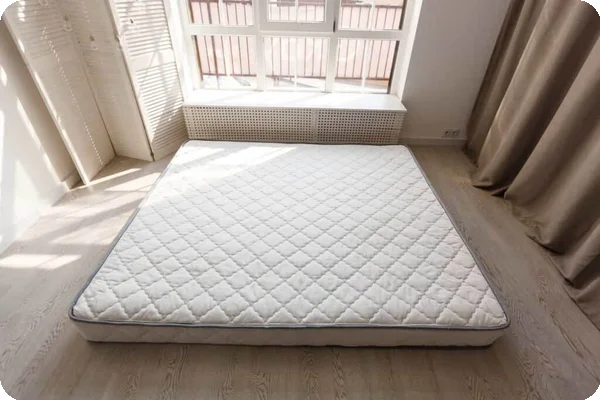
Mattresses are often one of the trickiest items to dispose of, as many locations won't accept donations for sanitary reasons. You also can't just leave old beds at the curb in many towns, and landfills may charge per-mattress fees.
If you're ready to dump an old mattress, or you're upsizing to a queen and need to dispose of your full-size bed, look for mattress recycling programs. These businesses strip mattresses down to their core parts and reuse them for other things.
You should also find out if you need to put it in a mattress bag to dispose of it. And if you can find a nonprofit that accepts donated mattresses, make sure they're as clean as possible.
Throwing Away Upholstered Sofas and Couches
Because upholstered furniture is made with mixed materials, it can be more difficult to donate or recycle. If you have a clean, gently used sofa, donating or selling it is likely your best bet. Contact organizations like Habitat for Humanity or a thrift store in your area. They might even come pick it up for free.
“You can't always take your recliner out with the day-to-day trash. In fact, if you do put it on the curb when you're not allowed to, it could earn you a citation and fine in some cities.”
More used or damaged sofas may need to be trashed. Consider whether your bulk pickup service will help you get rid of an old couch. If not, think about how you can dismantle the couch, use the wood and metal for projects, and toss the rest in the garbage.
Throwing Away Office Furniture
Getting rid of desks, rolling chairs, or filing cabinets? Metal cabinets are often accepted at recycling centers, and wooden desks can usually be donated or repurposed. Try listing rolling chairs for sale or free pickup online — home office furniture is in demand for remote workers.
Throwing Away Dressers
Dressers made from quality materials — e.g., solid wood rather than pressboard — are pretty easy to sell online using Craigslist, Facebook, or OfferUp. If that doesn't work, or if the dresser is made from lower-quality materials, consider donating it to a thrift store or giving it away. Damaged wood dressers can often be repurposed or broken down into usable materials, while cheaper models might be better off in the trash.
Throwing Away Wooden or Metal Furniture
Wood and metal items are often easiest to dispose of, as they can be recycled or quickly cleaned for sale or reuse. Premium wood items may also be a boon to your budget, as people often pay good money for solid hardwood furniture. Consider listing them on Facebook Marketplace or another site.
How to Get Rid of Furniture If You Live in an Apartment
When you live in an apartment, disposing of furniture is a little more complicated. After all, you don't necessarily have a dedicated curb or sidewalk space in front of a driveway to leave furniture. Here are the steps to take to get rid of furniture while in an apartment:
Your first stop should be the management office, since your building might offer special bulk-pickup days or areas where you can leave furniture. And if your city offers bulk pickup, the building might have rules about what part of the curb you can use.
Whatever you do, don't put furniture in the dumpster without asking. Many properties prohibit it.
If your building can't help, your next best bet is to list it online and require the buyer to pick it up. From there, look into city drop-off centers and nonprofits that offer donation pickup.
If you can't find any free or low-cost options, call a junk-removal service and schedule a pickup. You'll have to pay for it, but at least you won't have to haul a sofa down the service elevator.
Whether you live in an apartment or a single-family home, getting rid of old furniture requires a bit of planning. By researching local services in advance, you can figure out where to throw furniture away and navigate your move like a pro.
Best Time to Schedule Furniture Cleanup
To save yourself time and hassle (and potentially money), try to plan your furniture cleanup strategically.
End-of-month moves: If you're moving at the end of a month, make sure to schedule your junk pickup or a donation pickup early. This is a popular time to move, so you'll probably have more competition for appointment times.
College move-outs: Check with the university to find out about free furniture pickup during the finals week.
Peak bulk pickup weeks: Planning on taking advantage of your city's bulk-pickup services? Try to get rid of your furniture during peak weeks, which is the second week of the month in many areas.
Summer moves: The summer season is the busiest time for moving, so it's important to book a donation pickup, bulk pickup, or junk pickup as soon as possible.
Frequently Asked Questions
You might be able to leave furniture on the curb for free, but it depends on the rules in your town and neighborhood. Some people leave furniture by the street in hopes someone else might need it and take it. Others put it out on bulk trash days so waste management can pick it up. Before you park a couch or dining set at the curb, check local rules to ensure you won't end up with a hefty fine.
Nonprofits, including Habitat for Humanity ReStore and the Salvation Army, often provide free furniture pickups. However, you should check with your nearest location to see what furniture items it accepts and what items qualify for pickup. In general, furniture must be in good condition.
You can't usually throw out a couch with your normal trash or put it in a dumpster. These services are limited to bagged household garbage. Instead, you can contact your local waste management agency to find out about special bulk-pickup or furniture-pickup days.
If you leave furniture on the curb illegally — or anywhere else it's not allowed — you could be ticketed and fined. Fines can be well into the hundreds of dollars, so it's a good idea to follow the rules. In some areas, illegal dumping even comes with a misdemeanor. Plus, you'll still have to get rid of the furniture.
No, you can't throw furniture in your apartment building's dumpster. It's also usually prohibited to leave them next to the dumpster. Because dumpsters are emptied into garbage trucks, they can't typically accommodate large or bulky items.
Furniture removal costs vary depending on your location and your disposal options. If your town offers free bulk pickup days that include furniture, you may pay nothing. Fee-based bulk pickup services could cost up to $50 per item. You can also schedule free pickup of furniture donations with Habitat for Humanity, the Salvation Army, and other organizations. If you must hire a junk removal company or pay local waste management to haul off furniture, average costs can range from $75 to $800 or more.



 Karen BodkinSep 01, 2026