How Much Does It Cost for Movers to Pack and Move You?

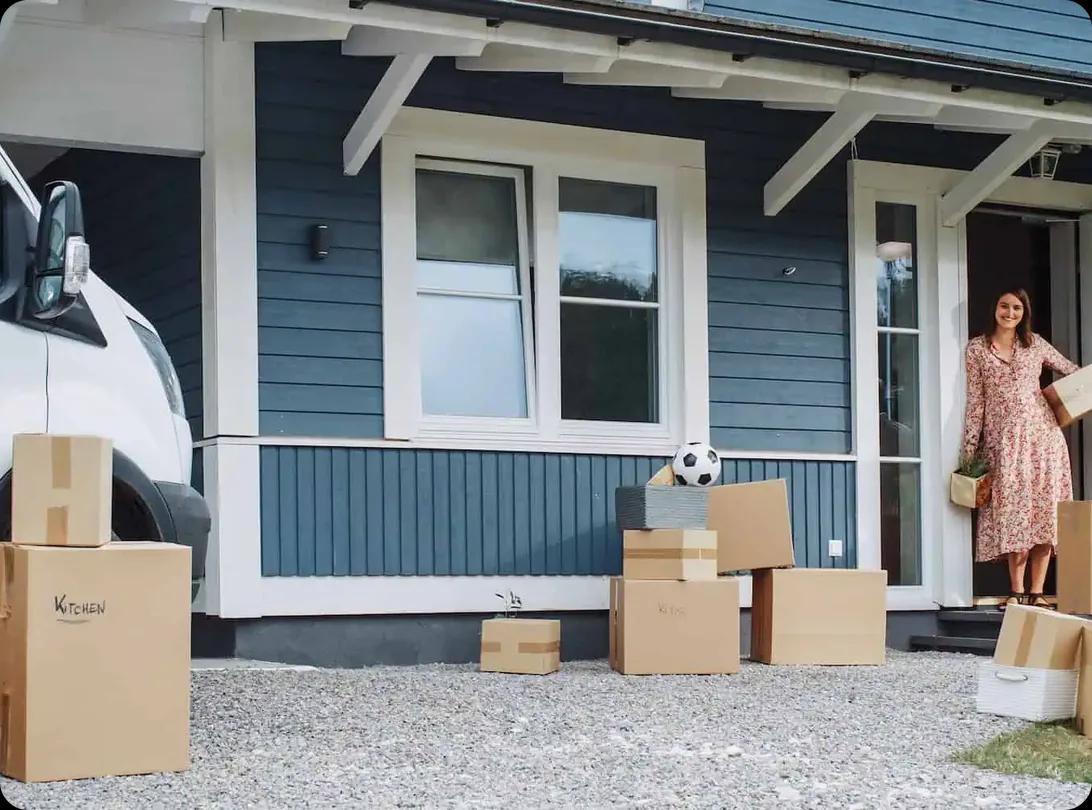
Professional movers packing cardboard boxes with tape for a move

Hiring movers to pack and move a typical two-bedroom home starts at around $2,700. If you only need professional packing, that starts at $650, but can rise to a thousand dollars or more depending on the size of your home. Packing is usually an add-on cost, and you can hire help for the entire home, a few difficult rooms, or only your fragile belongings.

HireAHelper has been in the moving business for nearly two decades, and that experience gives us real data on how much packing labor and supplies cost. This guide breaks down what packing and moving services include, how much they cost by home size, which extra fees to watch for, and where you can save.


Last updated: Aug 07, 202613 min read
Karen Bodkin
Written byKaren Bodkin

Key Takeaways

  • Packing is normally an add-on to moving service, with full-home and partial-packing options available.
  • Packing labor is usually charged by the hour, while boxes and other supplies may be billed separately.
  • Home size, distance, difficult items, access, and move date can all change the final price.
  • Packing some items yourself or hiring labor-only movers can lower the cost.
Karen Bodkin
Author

Karen Bodkin

Karen Bodkin is a writer at HireAHelper who's passionate about helping people navigate their moves with less stress and more confidence. She empowers readers by turning the many overwhelming parts of moving into clear, actionable guidance.

Karen draws from a broad writing portfolio that includes home improvement, health, and travel. Her work reflects a deep understanding of life's transitions and a genuine drive to make moving feel more manageable for everyone.

What Does “Pack and Move” Include?

A pack-and-move service combines regular moving help with an added packing service. Movers do not usually pack your belongings unless you include packing in your quote.

You can generally choose from three setups:

  • Full-service packing and moving: The movers provide the truck, pack your belongings, load everything, transport it, and unload at your new home.
  • Labor-only packing and moving: You rent the truck or moving container, while the crew packs your stuff before loading and /unloading the truck.
  • Partial packing: The crew handles selected rooms, fragile belongings, or difficult items while you pack the rest.

Packing supplies are not always included in the advertised labor rate. Ask whether boxes, tape, packing paper, and specialty cartons will appear as separate charges.

How Much Does It Cost To Pack and Move?

Packing and moving a typical two-bedroom home costs around $2,700 to $4,000 with full-service movers. Hiring professionals only to pack the same home generally costs between $650 and $1,000.

The total is higher when the movers also provide transportation because you are paying for the truck, loading, mileage, driver time, unloading, and moving labor. Packing-only service just covers the time spent wrapping and boxing your belongings, plus any materials you buy from the provider.

Cost by Home Size

Pack-and-move costs rise with home size because larger homes usually have more furniture, closets, dishes, decor, and other belongings to box and transport.

Estimated Packing and Moving Costs by Home Size
Home sizePacking onlyPacking and full-service moversPacking and labor-only movers*
Studio, up to 600 sq. ft.~ $300 to $400~ $1,200 to $1,500~ $700 to $800, plus transportation
1 bedroom, 600 to 900 sq. ft.~ $400 to $600~ $1,500 to $2,300~ $1,000 to $1,200, plus transportation
2 bedrooms, 900 to 1,200 sq. ft.~ $650 to $1,000~ $2,700 to $4,000~ $1,600 to $2,000, plus transportation
3 bedrooms, 1,200 to 2,000 sq. ft.~ $850 to $1,100~ $3,500 to $8,500~ $2,300 to $3,000, plus transportation
4 bedrooms, 2,000 to 3,000+ sq. ft.~ $1,200 to $1,800~ $8,000 to $16,000+~ $3,000 to $4,500, plus transportation

Labor-only movers pack, load, and unload your belongings, but you arrange and pay for the rental truck or moving container.*

Home size is a useful starting point, but doesn’t always tell the whole story. A lightly furnished 3-bedroom home will cost less to pack than a 2-bedroom home with a basement, attic, and garage filled with stuff. These guidelines are for planning rather than guaranteed prices. Your location, distance, belongings, crew size, and packing needs will determine your actual quote.

Hidden Costs and Fees of Packing and Moving

Sometimes, the final cost of your move is higher than the original estimate. This usually isn’t because of hidden fees, but because the move ends up requiring extra services or involves details that weren’t included at first, such as stairs, a long walk to the truck, or items that need special packing.

Ask for an itemized estimate that explains when each potential charge applies, so you have a clearer idea of what could change the final price.

  • Packing materials: Boxes, tape, packing paper, bubble wrap, and specialty cartons may be charged separately.
  • Travel time: Some providers bill for the crew’s drive to and from your home.
  • Specialty items: Artwork, antiques, pianos, televisions, or glass furniture may need custom crating or additional handling.
  • Stairs, long carries, or elevators: These accessibility surcharges cover the added time and effort required to reach the truck.
  • Unpacking services: Having movers open boxes and unpack your belongings is normally an additional hourly service.

Cost Breakdown: Packing vs. Moving

A pack-and-move quote can sometimes make it hard to tell what you’re actually paying for. Breaking the price into packing and moving costs helps you compare quotes, spot added fees, and see where doing part of the work yourself could save money.

Packing Costs

Packing labor is usually charged by the hour. Professional packers often charge around $25 to $40 per hour per worker, although rates may be higher in expensive markets.

A midsize home may need 2 to 4 packers for half a day or most of a full day. The number of hours depends on how much you own, how organized the home is, and whether the crew is packing difficult areas such as the kitchen, garage, or basement.

"[Professional packers are] also a good fit for households with lots of fragile or heavy belongings. [They] know how to deal with glass tables, antiques, or oversized furniture that can be tricky and risky to move on your own."

Boxes, tape, bubble wrap, packing paper, and specialty cartons appear as an additional cost. A full pack uses more labor and materials, while a partial pack lets you pay for help only where you need it. For example, you could pack clothes and books yourself, then have the crew handle dishes, artwork, and breakables.

Moving Costs

Local movers generally charge by the hour, while long-distance movers usually base the quote on shipment weight and mileage. Labor-only movers also charge hourly for the crew, but because they don’t handle transportation, you will also need to budget for a truck or moving container.

You can find both labor-only and full-service movers through HireAHelper. Our marketplace lets you compare available providers, pricing, services, and verified reviews before booking.

Factors That Affect Packing and Moving Costs

Whether the movers price things hourly or by volume of your belongings and distance, there are certain factors that can affect the final price. Knowing what these are can help you mitigate costs and stay within your budget.

Size of Your Home

Home size is usually the biggest starting point for estimating packing and moving costs. A studio may cost about $300 to $400 to pack, while packing a 4-bedroom home may cost around $1,200 to $1,800 before the move itself begins.

The difference comes from the number of rooms, closets, furniture pieces, and boxes the crew must handle. See the Cost by Home Size table for estimates covering packing-only, full-service, and labor-only options.

Distance of the Move

Packing costs tend to be similar no matter how far you’re headed. But transportation costs are a different story, and they tend to rise as the distance does. Local moves are usually billed by the hour, while long-distance moves are commonly priced according to shipment weight and mileage.

For example, moving across town may require only a few hours of truck and crew time. Moving the same belongings 1,000 miles adds fuel, driver time, overnight transportation, and weight-based shipping charges.

Volume of Belongings

More belongings mean more boxes, more packing time, and more space or weight on the truck. Two homes with the same square footage can have very different costs if one is lightly furnished and the other has full closets, a basement, and a packed garage.

Decluttering before moving day is a good way to lower your bill. There is less to pack and put on the truck.

Packing Complexity

Fragile, unusually shaped, or valuable belongings take longer to pack and may require specialty materials. Kitchens are often one of the hardest rooms because dishes, glassware, appliances, food, and small items all need different handling.

Time of Year

Moving during the busiest times of year usually costs more because demand is higher. Summer, weekends, and the end of the month are busy times, and mover availability fills up quickly.

If you can manage it, booking a weekday or mid-month move may give you more providers to choose from and a better chance of finding a lower rate.

Packing Supplies

Packing supplies are another cost to plan for. If the movers bring the boxes, tape, and packing paper, those materials will be added to your bill. Specialty boxes for dishes, clothes, TVs, mirrors, and artwork can cost even more.

You can save by picking up your own boxes and other supplies, as long as everything is clean and sturdy enough to protect your belongings.

Cost-Saving Tips for Packing and Moving

You do not have to choose between packing everything yourself and paying for a completely hands-off move. A few small choices can bring the cost down while still leaving the hardest parts to the professionals.

  • Declutter before packing: The less you take, the less time movers spend packing and the less space your belongings take up in the truck. Selling or donating a few things before moving day can help lower both packing and moving costs.
  • Pack the easier items yourself: Clothes, linens, toys, and books are usually simple enough to box up on your own. You can then leave the kitchen, artwork, and other fragile items for the movers.
  • Source your own supplies: Buying boxes in bundles or collecting clean, sturdy boxes locally can cost less than purchasing every supply through the moving company.
  • Move during a quieter time: Weekdays, midmonth dates, fall, and winter are often less busy than summer weekends and the end of the month. More availability may also mean better pricing.
  • Get and compare itemized quotes: Looking at the full breakdown makes it easier to compare the actual cost. Check the hourly rate, minimum booking time, supplies, travel charges, and any add-ons.
  • Rent a truck or container and hire labor-only help: This can be a good way to save if you are comfortable handling the driving but still want help with packing, loading, and unloading.
  • Limit specialty packing: Custom crates and premium materials are useful for certain belongings, but you may not need them for everything. Save them for items that are fragile, valuable, or difficult to replace.

HireAHelper lets you compare quotes from local movers and choose between packing help, labor-only service, or movers who provide a truck. That makes it easier to see whether full packing, partial packing, or a smaller crew gives you the best value.

Pros and Cons: Movers vs. DIY Packing and Moving

Deciding whether to pack everything yourself or bring in professionals is one of the biggest choices you’ll make during a move. Each option comes with trade-offs in time, money, and peace of mind.

Movers who handle the packing take a huge burden off your shoulders. They show up with boxes, tape, and the know-how to wrap even the trickiest items. The job is usually finished in a fraction of the time it would take you. The main drawback is the cost, and some people don’t love giving up control over how their things are boxed.

Doing the packing yourself is easier on your budget and gives you full say in how items are handled. On the flip side, it takes a lot of time and energy, and the risk of damage is higher if you’re not used to packing fragile or bulky items. You’ll also have to hunt down supplies and helpers.

Here’s a side-by-side look to make the decision easier:

Pros vs Cons of Moving Services and Packing

  • Fast turnaround
  • Less stress
  • Crews bring all the supplies
  • Fragile items handled with care
OptionWhat You GainWhat to Watch Out For
Movers pack + move
  • Higher cost overall
  • Less say in how boxes are packed
  • Must fit their schedule
DIY pack + move
  • Lowest upfront cost
  • Full control over packing choices
  • Flexibility to go at your own pace
  • Demands more time and energy
  • Risk of breakage if packing isn’t done well
  • You supply all materials and labor

Who is Moving and Packing Best For?

Hiring movers to do both the packing and moving isn’t the absolute cheapest option, but for some people it’s the right move. If you’re working long hours, looking after kids, or caring for a parent or partner, the last thing you want is a weekend swallowed up by boxes. Movers can come in, pack everything fast, and take that burden off your shoulders.

It’s also a good fit for households with lots of fragile or heavy belongings. Professionals know how to deal with glass tables, antiques, or oversized furniture that can be tricky and risky to move on your own. Older adults, or anyone who can’t lift much, often find it worth the cost simply for the safety factor.

If your place is small, or you’ve got the time to chip away at packing over a couple of weekends, you might not need packing help. It just comes down to what matters most for your situation: keeping costs low or cutting back on stress when life is already demanding enough.

How to Estimate Your Pack and Move Cost

Figuring out what you’ll pay for movers to pack and move isn’t always simple, but you can get close if you look at a few key details.

Start with the size of your home. A small apartment may only need a couple of packers for a few hours, while a larger house could take several movers most of the day. The number of boxes and heavy pieces you have makes a big difference.

"Kitchens are often one of the hardest rooms [to pack] because dishes, glassware, appliances, food, and small items all need different handling."

Distance matters too. Local jobs are usually billed by the hour. Long-distance moves are often quoted as a flat rate that covers fuel, mileage, and the driver’s time. Extra services, like custom crating or unpacking, add to the total. On the other hand, packing some of your own things can bring costs down.

The easiest way to get real, accurate numbers is to use HireAHelper’s cost tools. You plug in your move details and see instant estimates from trusted movers in your area. It’s a fast way to compare options and set a budget that feels right for your situation.

Why Trust HireAHelper

HireAHelper has helped people book more than one million moves through a nationwide marketplace of over 1,700 vetted movers. That experience gives us a close look at what people actually pay, which services they book, and which details make a moving quote rise or fall.

Our moving cost information draws on the HireAHelper Cost Database and pricing available through the marketplace. We combine that data with the real labor, time, supplies, and transportation involved in packing and moving homes of different sizes. You can also use the HireAHelper Moving Cost Calculator to estimate your move based on your own home size and distance.

Frequently Asked Questions

Recent Articles