How to Pack Fragile Glass And Dishpacks

a person wrapping and packing away dishes, glassware, and mugs

Your dishware is something you use and need every day, but it presents a challenge when it comes to a move. You might not know where to start packing your fragile kitchen items, but don’t worry. We’ve got plenty of practical tips and tricks to help you protect your breakables.

After all, we’ve seen our fair share of dishware over the years — boxes upon boxes of fragile glass and ceramics, all carefully wrapped so not a single item came out chipped, cracked, or broken. And now, we’re sharing our tried-and-true practices with you.

Keep reading for everything you need to know to pack fragile glass and dishpacks like a pro.

Last updated: Jun 27, 20254 min read
Kevin The Mover
Written byKevin The Mover

Key Takeaways

  • Dish packs are reinforced boxes specifically built for fragile kitchenware: well worth the extra cost
  • Supplies needed: dish-pack boxes, packing paper (not newspaper — ink transfers), bubble wrap, and dividers/cell partitions
  • Pack plates vertically on their edges: (like records) — they're stronger that way and far less likely to crack
  • Wrap glasses individually, pad the inside, and use cell partitions to keep them from touching
  • Heavy items go on bottom, lighter on top: and always label "FRAGILE" on at least two sides + the top
Kevin The Mover
Author

Kevin The Mover

Kevin Kato is a travel and home services writer with over 20 years of experience as a professional mover.

Having been both a professional mover and a crew leader, Kevin has seen it all in the world of moving: hectic moves, unique packing, bizarre accident claims, truck mishaps, or just run-of-the-mill moves as advertised; there is virtually no situation Kevin hasn't managed. Today, Kevin provides his insights as Kevin The Mover for professional movers and "movees" everywhere.

Supplies Needed to Pack Dishes Safely

Don't just toss dishes into old Amazon boxes and hope for the best! These essential supplies make it easier to pack fragile dishware safely and securely, including:

  • Packing paper: Cushions breakables during the move and keeps items from shifting. Newspapers or towels can work as a substitute.
  • Packing tape: Ensure you have plenty of tape for tightly sealing boxes and securing packed bundles.
  • Dish boxes: Choose moving boxes designed for fragile items. Regular boxes can work in a pinch, but make sure they're on the smaller side. The more room the items have to rattle around, the easier they can break.
  • Bubble wrap: Those plush plastic bubbles are great for keeping your dishes and glassware safe.
  • Permanent Markers: Label boxes with phrases like "Breakable" or "Fragile" so your movers know to be extra careful with kitchen staples.
  • Labels: If you don't plan on unpacking immediately, consider writing family members' names, designated rooms, or other identifying information on packed boxes.

You may also find it helpful to keep a measuring tape nearby. Before you cram fragile items inside boxes, check the dimensions of your breakables to ensure you pick the right-sized moving boxes.


How to Safely Pack Teacups

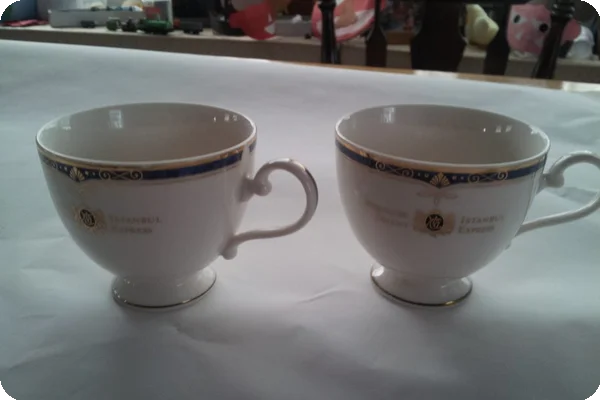
Teacups are pretty fragile. Their dainty handles are prone to cracks and breaks when packaged poorly.

Photo of Packing Teacups Step 1

They also don’t stack very well, as you can see in the photo. Putting one cup on top of another is awkward and bound to topple. So, what's a tea lover to do? The solution is simple: just turn one teacup upside down!

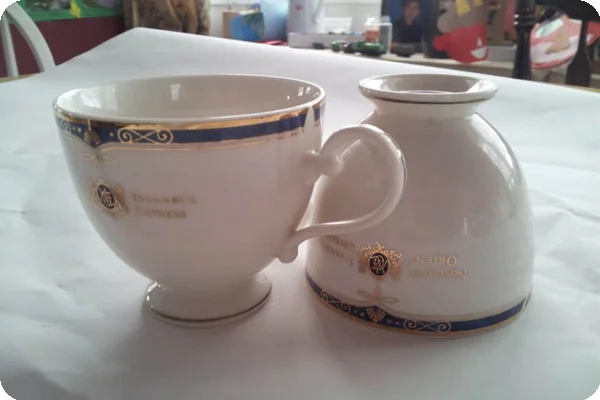
Photo of Packing Teacups Step 2

When you flip one teacup over, the curvature and handles naturally fit together instead of being forced into an awkward stack. This creates a small, secure bundle that's ready for a trip to your moving box.

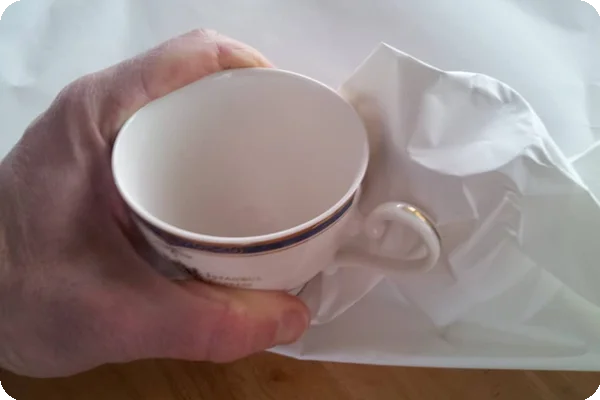
Photo of a Hand Packing Teacups Step 3

Easy, right? Don't forget to use plenty of paper so your teacups are adequately padded.

You can also pack teacups separately — no flipping needed! Wrap each teacup in several layers of crumpled packing paper or bubble wrap, then tape the protective layer in place. Consider adding wads of crumpled packing paper to the moving box to prevent cups from knocking into each other.


How to Safely Pack Glass Beer Mugs

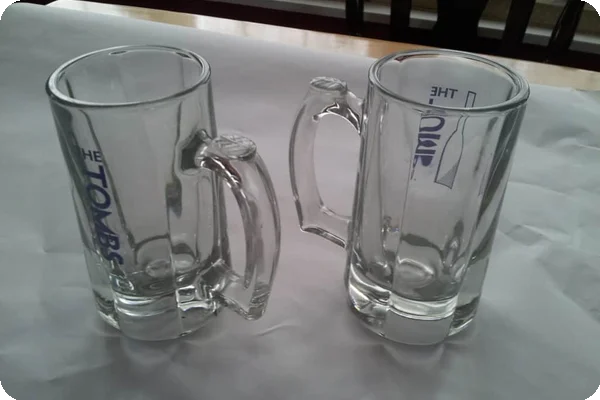
Beer mugs are thick and heavy, which means they might survive even the worst packing jobs. With that being said, it’s still a good idea to keep those more delicate handles out of harm’s way. So here are a few practical packing tips to help you protect those beloved beer mugs.

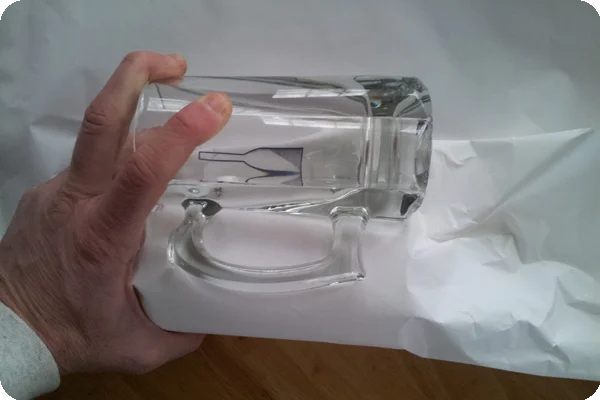
Photo of Packing Beer Mugs Step 2

Fill each mug with wadded packing paper or bubble wrap. Wrap several layers of bubble wrap or packing paper around each mug, crumpling or fanning the layers around the beer mug's handle. This provides extra protection. Secure your padding with tape.

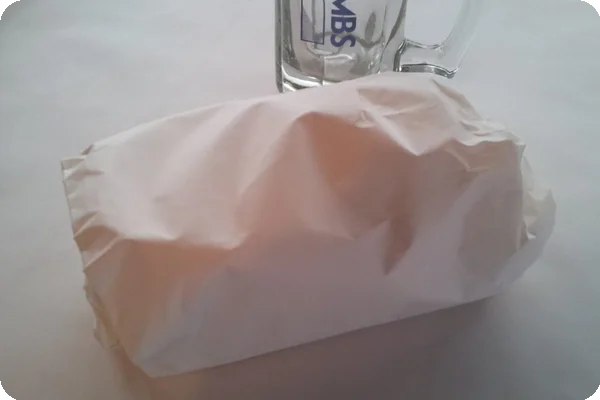
Wrapping beer mugs

Place the beer mugs upright in your packing box.When it comes to packing, less isn't more, so fill empty spaces with generous wads of paper or bubble wrap.

Photo of Packing Beer Mugs

Place a layer of bubble wrap over the top of your beer mugs, especially if you plan on stacking additional mugs on top. When you're done packing, make sure your mug box is tightly sealed with a thick layer of tape.

How to Safely Pack Pint Glasses
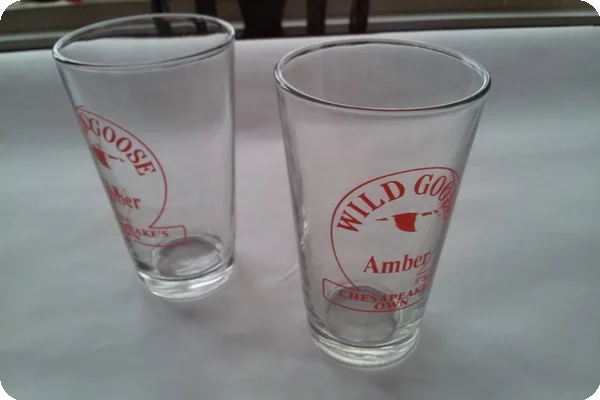
Photo of Pint Glasses Being Packed Step 1

Like beer mugs, packing pint glasses can make even the most seasoned movers nervous. These glasses lack handles, but they don’t always fit inside each other. Trying to force a stack could end in chips, cracks, or a handle breaking off entirely.
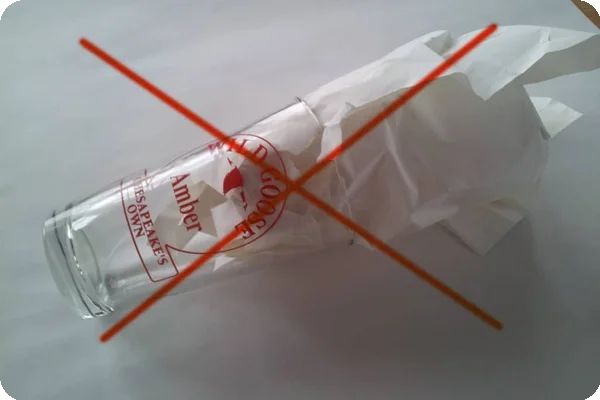
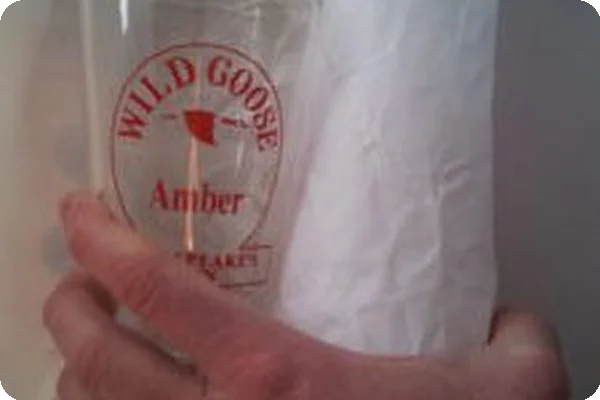
Photo of Stacked Pint GlassesPhoto of Pint Glasses Being Packed Step 2

Placing pint glasses side by side (two per bundle) makes for a pretty solid piece as you build your dish pack. Don't forget to fill each glass with crumpled paper first!

Secure your paper-wrapped pint glass (or glasses) with packing tape, then place glasses side by side in a packing box. If you prefer, you can also pack each paper-filled pint glass individually.

To finish your packing project, add plenty of crumpled paper, bubble wrap, or wadded dish towels to the box. The less wiggle room there is, the less chance anything breaks.


Additional Tips and Reminders

One key takeaway about packing fragile items is that tightly bundling teacups, pint glasses, or mugs works well, but there are still ways to add even more protection.

After you wrap breakables in a few sheets of packing paper, take each bundle and wrap it in a couple more sheets. This adds a surprisingly strong second layer of protection and stability when you pack fragile glass and dishpacks.

Even with this enhanced protection, keep those well-padded teacups near the top of your dish pack. Your bundles might rival a bastion in sturdiness, but they’re still made of glass and ceramic.

Play it safe, and don't bury breakables under heavy kitchen appliances like your air fryer or blender. You want your fragile dishes to arrive in one piece — and with a little extra care, they can.

Recent Articles

A person frantically packing boxes during a last-minute move with a calendar showing the urgent move date

Last Minute Moving: Our Checklist for Getting Out in a Hurry

Packing

Planning to move soon? Like, really soon? Last-minute moving can cause panic, no matter the reason. Maybe an emergency happened, and you have to relocate quickly, or you're offered an exciting job opportunity that... Read More

Kitchen drawer organizer filled with utensils being prepared for packing into a moving box

How Do I Pack Kitchen Utensils?

Packing

Unlike your couch or dresser with four tiers of drawers, kitchen utensils and silverware are small might seem like they're easy things to move to your new home. They're small, light, and typically not very... Read More

an image of a queen mattress on a wooden floor

Packing a Queen Mattress: The Plan vs. Reality

Packing

Every day, people search for advice on moving a mattress because they are bulky, awkward, and easy to damage. So if you’re searching for answers on how to get yours out the door, you’re not alone.

Knowing how to... Read More

A woman sets down an item into a box. The angle of the shot is from the bottom of the box pointing upwards, so it looks as through the woman is reaching towards the camera

What Should You Pack First When Moving?

Packing

The short answer to what you should start packing first is to pack things you don’t use daily. If it can sit in a box for a few weeks without disrupting your routine, it can be packed early. Items in garage... Read More

College student moving into a dorm

How to Pack for College: Complete Dorm Packing Guide

Packing

Getting ready for your first year is thrilling, but it is so easy to bring way too much stuff. To pack for college efficiently, double-check your dorm’s rules, coordinate with your roommate, and follow a... Read More

A woman holding multiple rolls of clear packing tape and a tape dispenser

The Best Type of Packing Tape to Use When Moving

Packing

If you browse office and craft store aisles, you'll find dozens and dozens of tape options. While they all serve a purpose, most aren't ideal for packing. The best packing tape to use when you move is a product... Read More