How to Move on a Budget

A person at a kitchen table with a budget worksheet, calculator, and moving boxes planning a low-cost move

With all the logistics you have to keep track of and the effort it takes to pack all your stuff, moving has a lot of stressful components. But struggling with the price and making a budget probably tops the list. After all, the average cost to move is nearly $1,000 for a local move and can be anywhere from $800 to $9,000 —or more! — for a long-distance move.

You may be surprised by just how quickly moving expenses can add up. At first, the truck rental sounds reasonable, but next thing you know, you’re adding packing supplies, gas, an extra set of hands to help with the heavy lifting, and then overnight stays into the mix.

The truth is, moving doesn’t have to wipe out your life savings. From finding free moving services to getting smarter about supplies, real strategies exist to cut spending without cutting corners. And this guide will walk you through real ways to move on a budget, from packing and supplies to transportation and post-move costs so your move can be both affordable and a little less stressful.


Last updated: Sep 30, 202512 min read
Melanie Morris
Written byMelanie Morris

Key Takeaways

  • The average local move costs ~$1,000: and long-distance moves run $2,000-$10,000+ — but smart planning can cut that significantly
  • Start with a written budget: covering truck/movers, supplies, fuel, lodging, deposits, and a 15% buffer for surprises
  • Choose your moving method strategically: rental truck (cheapest), container (flexible), labor-only (mid-range), full-service (priciest)
  • Cut packing-supply costs: with free boxes from liquor/grocery stores, reused newspaper, and Buy Nothing groups
  • Save on the move itself: book midweek/off-peak, declutter aggressively, ask about discounts, and pack everything yourself
Thomas O'Sullivan
Author

Thomas O'Sullivan

Thomas O'Sullivan is the Senior Manager of Service Operations at Porch Moving Group, where he oversees the post-booking customer experience for HireAHelper. His expertise is the part of a move most people never see — the logistics, coordination, and accountability that turn a booking into a finished move.

Thomas has spent six years in the moving and relocation industry, starting in corporate relocation and long-distance logistics before stepping into his current role. He's supported more than 130,000 moves across local labor, full-service, commercial, and long-distance work — experience he draws on to make sure HireAHelper content reflects how moves actually go.

1. First Things First: Make a Plan

two young women look over a clipboard while they sit in a living room filled with packed boxes

The fastest way to overspend on a move is to wing it. A clear plan keeps costs predictable and helps you avoid those last-minute “grab-and-go” purchases that add up fast. Here’s how to plan ahead:

  • Start with a moving budget. List out every expense you can think of: truck rental, movers, packing supplies, gas, food, overnight stays, and even the coffee you’ll need that morning. Having it all in one place makes it easier to see where you can cut back.
  • Compare your moving options. At first glance, a DIY move may look like the cheapest solution, but don’t forget to factor in fuel, time, and the physical toll. Hiring movers costs more upfront but saves hours off your move, which could mean a cheaper total cost in the end.
  • Scout for free or cheap supplies. Check with friends and neighbors who’ve recently moved to see if they have any leftover boxes and supplies. Local social media groups and neighborhood marketplaces are full of posts from people giving away boxes and packing materials. And grocery stores, liquor shops, and big-box retailers often have sturdy boxes they’re happy to hand off at the end of the day.
  • Get the timing right. Moving rates are typically higher on weekends, at the end of the month, and during the summer. Shifting your move to mid-week, mid-month, or an off-season date can make a noticeable dent in the total cost.

Do yourself a favor and follow the tips above to start planning now. You’ll save both money and stress later if you do. For more guidance, download our comprehensive moving checklist to stay organized from the start.


2. Set a Moving Budget

Nothing eats into moving funds faster than surprise expenses. A clear budget helps you track costs before they pile up and gives you more control over where your money goes.

Break down your move into categories: transportation, labor, packing supplies, meals, and overnight stays if you’ll be on the road for more than a day. Add space for “extras” too — tolls, pet boarding, cleaning supplies, or anything else that tends to slip through the cracks. Seeing all of this written out makes it easier to spot areas where you can save or what you might be missing.

As you gather quotes from movers, rental trucks, or container companies, plug the numbers into your budget. This lets you compare options side by side and adjust before committing.

To make it simple, we’ve created a sample moving budget below: 📄 Get The Moving Budget Spreadsheet Template

3. Strategically Choose How You’ll Move and Compare Costs

Picking how you'll move sets the foundation for your entire budget. Your options are typically: doing everything on your own, outsourcing the entire move to the professionals, or finding a sweet spot in between. That choice depends on how much effort you want to put in and how much you're willing to spend.

Let’s compare the three most common options. And, of course, these estimates depend on a number of variables, especially the distance traveled and how much stuff you’re moving.

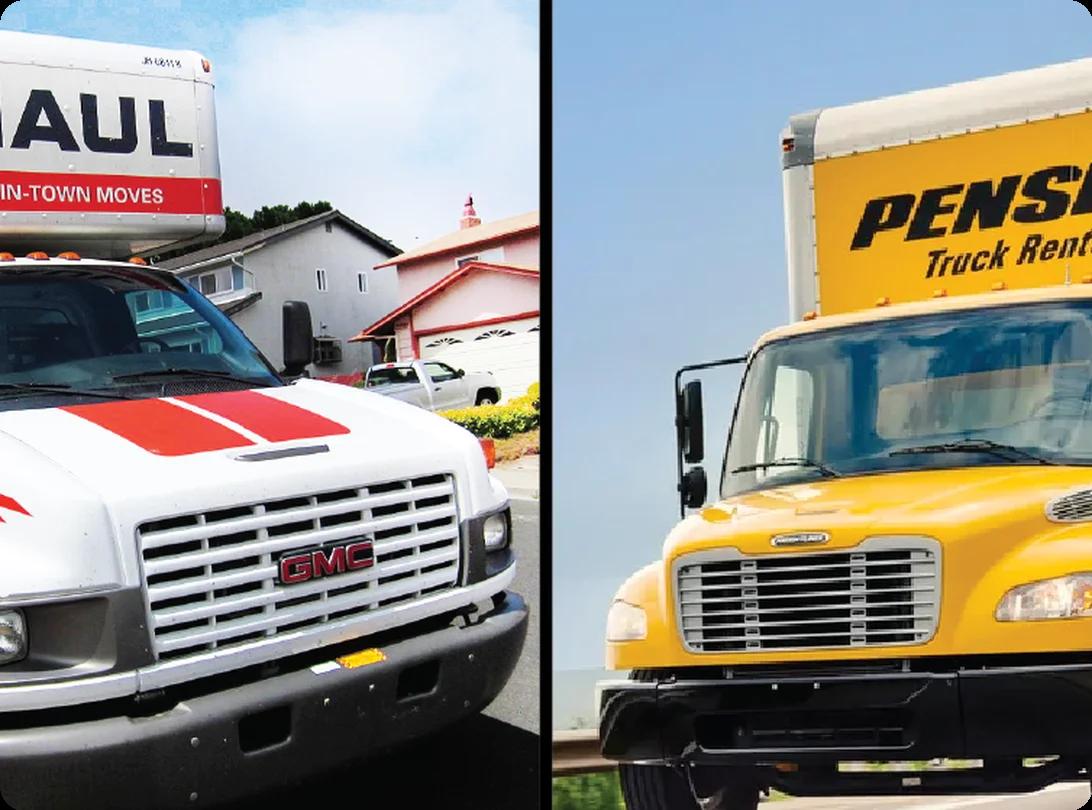
  • Renting a truck (DIY): This move is where you rent a truck yourself and do the driving, although you always have the option to hire moving labor to help with loading and unloading
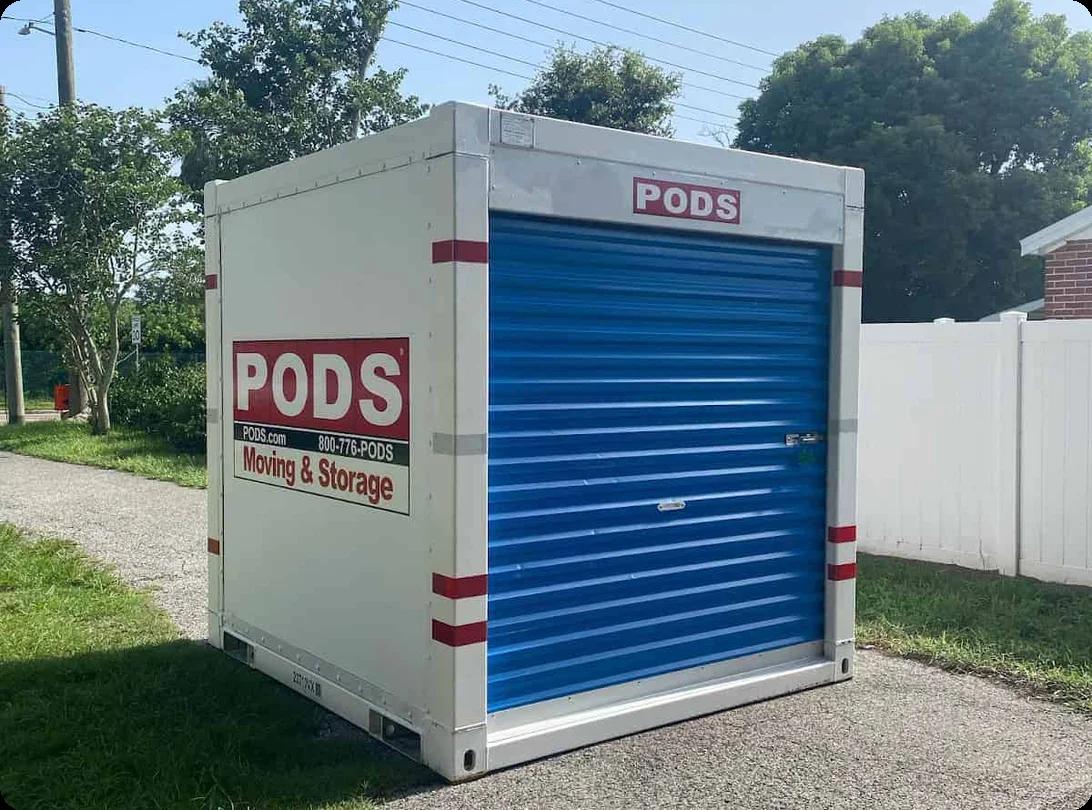
  • Moving containers: A moving container company drops off a unit (or units) to your home for you to load at your leisure, then they’ll transport it to your new home or put it in temporary storage until you’re ready for it
  • Full-service moving: A moving company with their own truck and movers takes care of everything for you —loading, driving, and unloading — and many offer packing and unpacking at an additional fee.
Moving MethodLocal Move (approx.)Long-Distance Move (approx.)
DIY Truck Rental$138 (plus gas)$690 – $4,514 (plus gas)
Moving Container (e.g., PODS, U‑Box)$395 – $1,050$1,572 – $2,434
Full-Service Movers$933$5,000-$11,000

Which solution should you choose if you’re moving on a budget? It depends on what’s most important to you:

  • Lowest cost: The DIY route or renting a moving container are the most budget-friendly options, especially for long-distance moves. You could save up to thousands of dollars if you’re willing to handle most of the labor yourself.
  • Storage included: A moving container is the most flexible if you need storage. You can have your unit stored for as long as you need — without having to deal with the hassle of renting a storage unit and unloading and reloading your stuff. This can help you save a ton when it comes to moving labor and additional truck rental fees.
  • Convenience: Full-service movers take care of everything, including loading, driving, and unloading — and packing for an extra fee. If avoiding stress is your top priority, a full-service move may be worth the price —especially if you’re moving locally. As a bonus, you may not have to take off as much time from work, which can mean additional savings.

When comparing quotes, make sure you’re looking at apples-to-apples estimates that cover the same services, dates, and volume of items to avoid surprises. One easy way to compare quotes is to use HireAHelper's free estimate tool.

Item-Specific Movers

Need help only with one or two bulky items, like a piano, pool table, or antique? You don’t have to rent a truck yourself, but you can hire specialists who have their own truck and the right equipment and packing materials for those heavy or awkward moves.


4. Look (and Ask) For Discounts

Discounts aren’t rare in the moving world. You just have to ask!

Truck rental companies and moving services often have deals for AAA members, students, seniors, and military families. Even credit cards can kick back a little savings if you book through their travel or rental partners. A little research here can go a long way.

"On a 600-mile move at $4 per gallon, the difference is about $240 for a small truck and $340+ for a larger truck in fuel. In short, don’t rent a bigger truck unless you truly need the space..."

Most people never ask, and that’s money left on the table. The worst that can happen is the company says no, but the best is that you walk away with a cheaper rate or a waived fee. Not bad for a 10-second question!

Also, fall and winter tend to be slower for movers, so you may find more promotions this time of year due to less demand.


5. Downsize Before Moving Day

Woman sorting clothes into

One of the biggest rules in moving is that the less you bring, the less you pay. A lighter load means a smaller truck, fewer labor hours, and lower fuel costs. That makes decluttering a very important step when it comes to cost savings.

Start with a simple system: donate, sell, recycle, or keep. Charities will often pick up furniture for free, while online marketplaces or a garage sale can turn extra items into cash.

Even one couch or dresser sold ahead of time can cover moving supplies or a truck rental day —just make sure to weigh this against the cost of buying replacement furniture for your new home.

The real payoff shows up in your truck rental costs. For instance, U-Haul lists a 15-foot truck at $19.95 per day, while a 26-foot truck starts at $39.95 per day. If you can scale down enough to use the smaller size, you save money every single day of the rental. Add in fewer hours of labor, and the savings multiply.


6. Find Affordable Packing Supplies

Packing supplies eat a surprising chunk of your moving budget if you buy them all new. But with a little creativity, you can get most of what you need for free.

  • Score free boxes. Check with grocery stores, liquor shops, or big-box retailers and ask when they break down shipments. Many will gladly let you take the extras off their hands. Neighbors, coworkers, and online groups like Craigslist, Facebook Marketplace, or Nextdoor are also goldmines for free moving boxes — just make sure they’re sturdy, clean, and undamaged so they’ll keep your stuff protected.
  • Use items at home in place of packing paper and bubble wrap. Towels, blankets, comforters, and newspapers work just as well as cushioning. Even T-shirts can stand in for packing paper.
  • Use containers you already own. Suitcases, laundry bins, and reusable totes can all be packed full instead of traveling empty. Every bag or bin you repurpose is one less cardboard box you’ll have to buy.

Gathering supplies from what’s already in your home is thrifty and efficient. It frees up more of your budget for the parts of the move that actually matter.

DIY Moving Tips to Save Money

A do-it-yourself approach will stretch your budget even further. Here are a few proven ways to save:

  • Rent a truck or trailer instead of hiring a full-service mover. The cost difference is significant, especially for long-distance moves.
  • Enlist friends and family. A few extra sets of hands in exchange for pizza and drinks can replace paid labor for lighter jobs.
  • Practice safe lifting. Bend your knees, keep your back straight, and team up on heavy items. Avoiding injuries or damaged belongings saves money in the long run.
  • Label clearly. Mark each box by room and contents. This speeds up unloading and prevents wasted time searching through boxes later.
  • Disassemble furniture. Taking apart tables, bed frames, and shelves makes loading easier and reduces the risk of damage.
  • Pack early. Rushed packing leads to broken items and last-minute supply runs. Starting weeks ahead saves stress and money.
  • Borrow equipment. Ask around for dollies, straps, and blankets. Many friends or neighbors have them stashed in garages and would be happy to lend them out.

7. Pack Like a Pro

a man and woman happily pack boxes in their apartment

How you pack determines how much space you’ll need, how heavy your load is, and how fast unloading goes. Done well, it can save you real money.

  • Start with strategy. Place heavy items like books or canned goods in smaller boxes so they’re easier to carry. Lighter items, such as linens or pillows, belong in larger boxes to maximize space without making them impossible to lift.
  • Always fill empty gaps with soft items like towels or clothing so things don’t shift in transit. Label every box clearly by room and contents. It might feel tedious, but it saves hours of hunting and cuts down on labor time if movers are helping.
  • Set aside time each day leading up to your move to chip away at the work. Breaking it into manageable steps avoids the last-minute scramble and gives you full control over how your belongings are handled.

8. Cut Transportation & Travel Costs

Transportation often ends up being one of the biggest line items in a moving budget. However, a few proactive decisions can shrink that cost.

Truck size is the big one. A too-small truck means repeat trips, while a too-big truck is just wasted space on wheels (the same also applies to moving container sizes).

"One of the biggest rules in moving is that the less you bring, the less you pay. A lighter load means a smaller truck, fewer labor hours, and lower fuel costs."

Fuel costs make the difference even sharper. Larger trucks not only cost more to rent but also burn more fuel, since they weigh more even before being loaded. U-Haul estimates around 10 MPG for smaller trucks, while many drivers report only 7–8 MPG for larger ones once fully packed. On a 600-mile move at $4 per gallon, the difference is about $240 for a small truck and $340+ for a larger truck in fuel. In short, don’t rent a bigger truck unless you truly need the space—choosing the right size saves on both rental rates and gas.

You should also plan your route carefully if you want to save on fuel and time. A straight shot with fewer detours burns less gas and saves hours behind the wheel. Look into apps with live traffic updates to spare yourself from crawling through gridlock.

Also, if your move takes more than a day, plan where you’ll sleep. A friend’s spare room is the best deal, but if that’s not on the table, budget hotels can keep costs in check. And sometimes pushing a little farther on day one means one less bill for day two.


Bonus: Save Money on Utilities and Services Post-Move

The moving costs don’t end when the truck pulls away. Overlap in utilities, new setup fees, and small service charges can quietly push your budget higher than expected.

  • Keep an eye on service dates. Ending your old plan on the same day you move out and beginning the new one when you arrive prevents paying for two accounts at once. Those extra days add up faster than most people would think.
  • Look for move-in specials. Many providers advertise move-in deals. Ask about installation credits, discounted bundles, or trial months before signing a contract. A single phone call can put real money back in your pocket.
  • Don’t forget to change your address. Missing mail can cost more than the small fee to forward it online. Our change of address guide walks through everything to update, from credit cards to your doctor’s office, so you don’t end up with late fees or lost bills.

Attention to these small details helps keep post-move spending under control. That leaves more room in your budget for settling in.


Extra Money-Saving Hacks

By now you’ve got the big strategies covered. Here are a few smaller hacks that can stretch your moving budget even further:

  • Use loyalty programs. Some gas stations and big-box stores offer points or discounts that come in handy during long drives.
  • Borrow, don’t buy. Ask friends for dollies, straps, and coolers instead of renting or purchasing them.
  • Skip peak hours. Moving early in the morning means cooler temps and fewer delays, which can shorten paid labor time.
  • Meal prep before moving day. Packing sandwiches and snacks keeps you from blowing cash on takeout.
  • Track receipts. If you’re moving for work, certain expenses may be tax-deductible. Even if they’re not, it’s a good habit for spotting where money goes.

These hacks won’t cover your entire moving budget, but they will give it some welcome breathing room.


FAQs

Recent Articles

penske vs uhaul

Penske Vs. U-Haul Comparison 2026

Costs & Saving

Overall, we recommend U-Haul for most DIY movers because it offers significantly more locations, better local move availability, and lower overall prices. However, Penske tends to have a newer fleet and better... Read More

A dumpster full of broken furniture and various other kinds of junk

How Much Does Junk Removal Cost?

Costs & Saving

Average junk removal costs range from $75 for a small load to $800 or more for a full truckload. That’s a big range, but prices vary so much because there are many factors that go into the price of junk removal,... Read More

a man stands in a room full of moving boxes while holding his smart phone

How Much Will Your Move Cost? Here’s How to Figure it Out

Costs & Saving

In 2025, you can expect to pay around $1,167.76 for a full-service local move (everything included) and $451.87 for labor only (loading and unloading help). Long-distance moving costs vary much more, and can cost... Read More

domestic abuse movers

These Moving Companies Move Domestic Abuse Victims for Free

Costs & Saving

If you’re trying to leave an abusive situation, moving safely and quickly can feel overwhelming—especially if money is tight. Some moving companies offer free or discounted services for survivors of domestic... Read More

a woman calculates the cost of a move with a calculator, surrounded by packed boxes

What’s the Cheapest Way To Move? A Guide for Thrifty Moving

Costs & Saving

Moving is a common part of life, whether you're seeking new opportunities, upsizing, downsizing, or just looking for a change. With the rise of remote work, there's even more flexibility with where to live. Recent... Read More

an array of cars and trucks are driving in both directions down a long highway in the middle of a very wooded area

Relocation Assistance Programs for Out-of-State Moves

Costs & Saving

Moving is stressful anyway, but even moreso when you are facing a tight timeline, fleeing abuse, or in financial hardship. If you need help moving out of state, your absolute best first step is to dial 211 to... Read More