4. Do You Offer Climate-Controlled Units?
Not every item needs climate control. However, electronics, wooden furniture, photos, documents, musical instruments, and anything sensitive to moisture or temperature fluctuations are safer in certain temperatures and humidity levels.
Ask the facility:
- Are the units heated, cooled, and humidity-controlled?
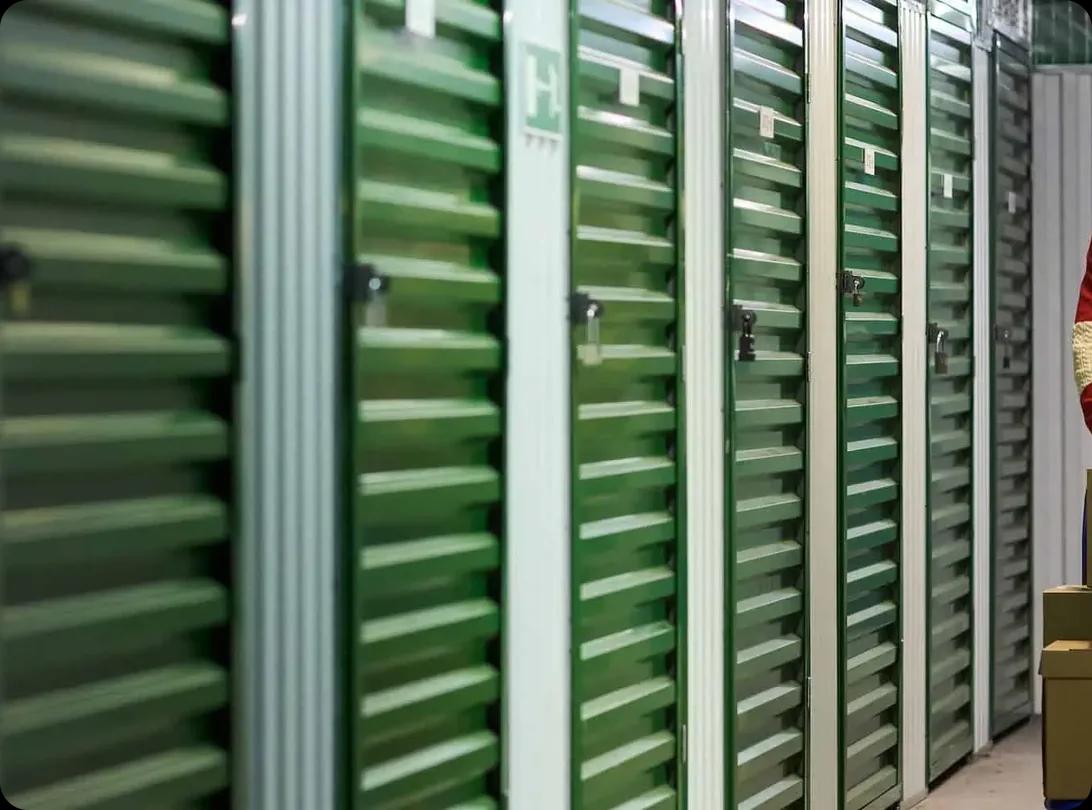
- Are climate-controlled units indoors or drive-up?
- Is there an additional charge?
Even in areas with mild weather, high humidity can cause mold or warping over time. If you’re storing anything valuable or fragile, climate-controlled storage is worth considering.
5. What are the Lease Terms and Fees?
Don’t assume every facility works the same! In fact, the way things work varies quite widely between locations and brands. For every unit you’re interested in, you should always ask:
- Is the lease month-to-month, or do they require a longer commitment?
- Are there admin or setup fees?
- What happens if you pay late?
- Are there promotional rates that increase after the first month?
- Do you have to buy their lock, or can you bring your own?
Facilities might promote a low monthly rate but hide the actual cost in fees or upcoming rate increases. Get everything in writing before you book.
Also, ask how often they raise rates. Some facilities bump the price after 30–60 days.
6. How Can I Make Payments?

Convenience matters, especially for long-term storage or infrequent visits. Consider asking:
- Can I pay online or through a mobile app?
- Is auto-pay available?
- Do you accept multiple forms of payment (credit, debit, ACH)?
These forms of payment are usually much more convenient than in-person or phone payments. And auto payments help you avoid missed payments and late fees. Some facilities will even lower the monthly rate if you pay with auto-pay, so it doesn’t hurt to ask.
7. Is Storage Insurance Required (and What Does It Cover)?
Don’t assume any facility will automatically cover your belongings. While most require some type of insurance, and many provide their own policies at the front desk, you should still ask:
- Is insurance mandatory?
- Can you use your homeowner’s or renter’s policy?
- What does their insurance actually cover, and what’s excluded?
Even with basic coverage, high-value items such as jewelry, art, or collectibles might require a special add-on.




 Karen BodkinJul 20, 2026