If you want a little extra cash, look up exercise equipment consignment businesses in your area. These shops can help you quickly sell big pieces, such as stationary bikes, regular bikes, treadmills, and gym sets. Online marketplaces like Craigslist and Facebook can also be an efficient way to sell gym equipment if you have the time and know-how.
If selling isn’t up your alley, consider donating it! Check your local charities to see if they could use any of your gently used gym equipment for their programs.
And you definitely should throw out anything damaged and unusable. Check with your local recycling depot or landfill to see if they will take electronic equipment like treadmills and rowing machines.
3. Clean and Sanitize Equipment
The next step is to clean and sanitize your home gym equipment properly. Bacteria can easily cover gym equipment, and even if it doesn’t make you physically ill, it can cause skin irritation and bad odors if not sanitized. Don’t bring that to your new place!
When you’re cleaning, always follow the manufacturer’s instructions, as some materials are sensitive to harsh chemicals and can degrade. Remember that vinegar and bleach can damage rubber mats, resistance bands, and rubber parts like O-rings.
You can clean most of your equipment with a solution of warm water and a small amount of mild soap or commercially available gym wipes. Be careful with electronics, like the digital displays on stationary bikes.
Also, make sure to let everything dry completely before packing it up to prevent moisture damage, mold, or mildew.
4. Protect Floors & Plan Your Path
Heavy equipment can easily scratch hardwood or crack tiles. To avoid costly damage, you should use the right tools to shield your surfaces. Floor sliders are great for shifting heavy racks across smooth floors. For carpeted areas, temporary plastic runners or plywood sheets help the gear glide without snagging.
Protective rubber mats are also a smart choice. These mats help spread the weight of your equipment so it doesn’t leave deep dents.
But your floors aren’t the only parts of your home you should protect. Before the movers arrive, check these items off your list:
- Measure every doorway and hallway along your path.
- Check if your gear fits in the elevator or around tight stair corners.
- Buy thick moving blankets to wrap around sharp metal edges.
- Ask your landlord or HOA about specific moving day rules.
Planning your path is just as important as the heavy lifting. Walk the route from your home gym to the loading area to look for tripping hazards. If you live in a building with a freight elevator, make sure to reserve it for a specific time to avoid delays.
Also, when you’re loading, think about weight distribution. Don’t stack all your heavy plates in one corner of the truck. Spread the weight evenly to keep the vehicle stable during the drive.
5. Pack & Secure Equipment for Transit
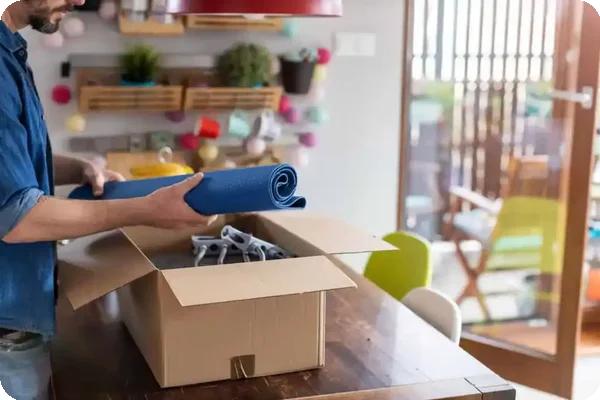
Before you lift anything, grab your toolkit. Disassembling large machines like power racks or ellipticals makes them much more manageable. As you take things apart, put small bolts and pins into plastic bags. Then, use painter’s tape to stick these bags directly to the equipment so you don’t lose them during the drive.
Stretch wrap is good for keeping moving parts from swinging open, and for delicate screens on bikes or treadmills, wrap them in moving blankets for extra cushion. It’s also a good idea to add padding around sharp edges or glass parts. For weights, stack them in sturdy boxes or bins that can handle the load.
6. Load Your Equipment Safely
If you don’t have a labor-only or full-service move booked, then loading your equipment is all on you.
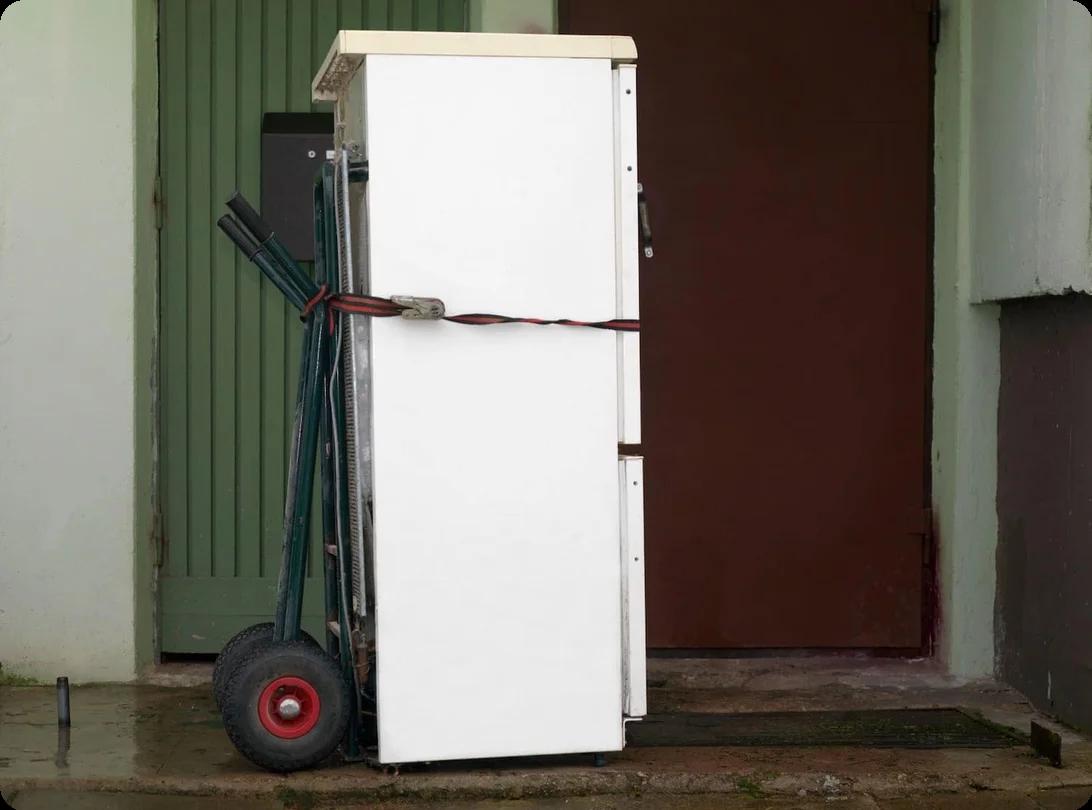
Moving gym gear is a lot like heavy furniture moving, so your loading order into the truck matters. Place your heaviest items, like weight plates and dumbbells, on the floor of the truck near the cab. This keeps the vehicle stable. Lighter gear, like mats or bands, can go on top. Use tie-down straps in a crisscross pattern to lock everything in place.
Always double-check your straps before you close the truck door. A secure load means your equipment arrives in one piece and your truck stays balanced on the road.
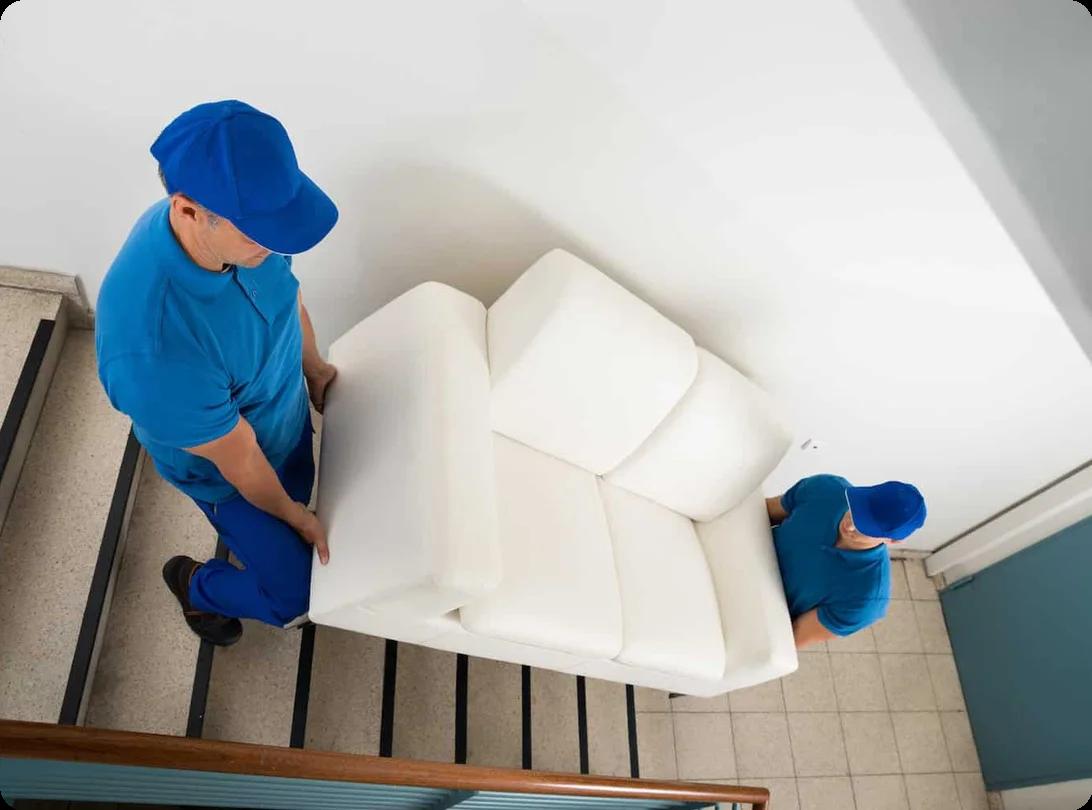
But if you’re not keen on wrestling with your rowing machine, consider hiring a moving team. They’re pros at making sure your truck is loaded efficiently and securely.


 Melanie MorrisSep 8, 2026


.png&w=64&q=75)