Storing Different Types of Furniture
There isn't a one-size-fits-all approach to storing furniture. For maximum protection, adjust your packing and storage strategy to suit the type of material and the fragility of the furniture.
Wood Furniture
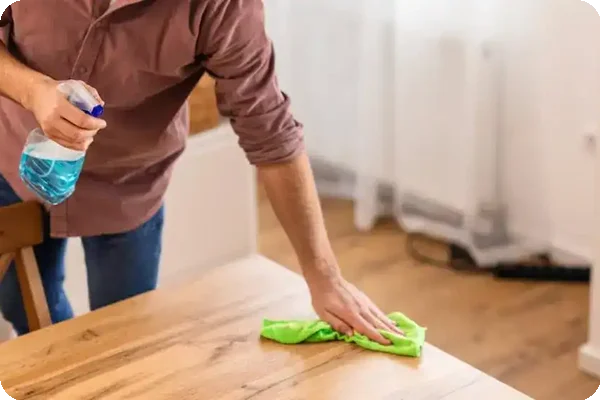
The biggest risks to wooden furniture in storage and moving containers are moisture and accidental surface damage. Moving pads can help on both fronts, since they'll prevent moisture buildup better than plastic covers and will also guard against scratches and dents.
Here are the steps to take to store wood furniture safely:
- Coat wood with wax to keep moisture from seeping into the grain
- Wrap wooden pieces loosely with moving pads
- Secure pads with tape or a single layer of stretch wrap
Upholstered Furniture
Upholstered furniture is highly susceptible to mold and mildew in storage, especially if kept in place for a long time. Here's how to prevent damage to your upholstered furniture:
- Vacuum thoroughly
- Use stain cleaner to treat discoloration
- Allow plenty of time for drying
- Wrap in moving blankets, old sheets, or blankets. Completely avoid any kind of plastic, including stretch wrap.
Leather Furniture
Before you move leather furniture into a storage unit, invest some time in upkeep. Otherwise, your expensive leather couch or chair will end up dusty, cracked, or molded. Here are the best steps to take for storage:
- Wipe with leather cleaner or a mix of water and vinegar
- Apply leather conditioner to prevent drying and cracking in storage
- Cover with blankets or dust covers
Glass and Fragile Items
If you have furniture with mirrored panels, glass tops, or other delicate components, blankets might not be enough to keep scratches at bay. Try this instead:
- Cover the glass with a layer of thick cardboard
- Remove glass panels, if possible
- Wrap panels in several layers of packing paper and bubble wrap



 Karen BodkinJul 20, 2026