Avoid Theft During Your Move

Moving truck - avoid theft during your move

Moving to a new place can feel liberating. Still, there’s one concern that can overshadow that excitement: someone walking off with your belongings during the move. Fortunately, a handful of best practices, like thoroughly vetting moving companies and securing your sensitive and high-value items, can shut down most potential thefts before they happen.

Following these suggestions keeps your belongings in your hands so you can focus on settling into your new home instead of worrying about theft. Let’s take a closer look at each of these steps on how to keep your belongings safe when you move.


Last updated: Jun 27, 202510 min read
Melanie Morris
Written byMelanie Morris

Key Takeaways

  • Most theft during a move is preventable: with simple precautions — vetting your mover, securing high-value items yourself, and staying present on moving day
  • Before the move: photograph valuables, keep cash, jewelry, IDs, and small electronics with you; verify your mover's license and reviews
  • During the move: stay on-site, keep an inventory, and never leave a loaded truck unattended at a rest stop or hotel
  • U-Haul and rental trucks are theft targets: park in well-lit areas, use steering-wheel locks, and never leave the truck overnight in unfamiliar spots
  • If theft happens: file a police report immediately, file a claim with your mover and homeowners/renters insurance, and document everything
Thomas O'Sullivan
Author

Thomas O'Sullivan

Thomas O'Sullivan is the Senior Manager of Service Operations at Porch Moving Group, where he oversees the post-booking customer experience for HireAHelper. His expertise is the part of a move most people never see — the logistics, coordination, and accountability that turn a booking into a finished move.

Thomas has spent six years in the moving and relocation industry, starting in corporate relocation and long-distance logistics before stepping into his current role. He's supported more than 130,000 moves across local labor, full-service, commercial, and long-distance work — experience he draws on to make sure HireAHelper content reflects how moves actually go.

Before the Move

A successful, theft-free move starts days (or even weeks) beforehand. Spending time researching moving companies, compiling an inventory, nailing down a safe packing plan, and confirming your labeling strategy truly pays off on moving day.

Thoroughly Vet Moving Companies

a woman talks seriously with a mover in a yard

Reputable professionals don’t want a tarnished image, so they prioritize honesty and reliability. That’s a big reason to look at reviews, business credentials, possible complaints filed online, and references from past customers. A robust hiring process can stop moving company theft in its tracks:

  • Check licensing and insurance. Businesses offering interstate moves should have a USDOT number. Look for details on their insurance coverage as well
  • Scan real customer feedback. Focus on written comments, not only star ratings. People tend to share detailed accounts of missing or damaged items
  • Ask about background checks. If a labor-only crew is involved, find out how they recruit their employees. HireAHelper’s marketplace, for example, works with vetted service providers who are motivated to keep their good standing by consistently doing quality work. If red flags show up at any point, the platform removes them

Taking time to verify who you’re hiring can go a long way toward protecting your belongings and ensuring a smoother, more secure move.

Create an Inventory List

Making a record of your belongings may sound like an extra chore, but it can save you major headaches if something disappears. Write everything down: furnishings, electronics, art, jewelry, and anything you’d miss if it didn’t arrive at your new place. Then, number or color-code your boxes and pair each one with an entry on your list. A quick glance will tell you if any box (like “Kitchen #6”) is still missing after the truck has been emptied.

Documenting everything doesn’t have to be stressful, either! Following a structured approach with inventory sheets simplifies the process.

Opt to Pack Items on Your Own

a woman wraps a coffee pot in green bubble wrap. There are boxes and plants surrounding her.

Having the movers pack for you is a nice convenience and is helpful for many reasons. However, certain items should stay in your control from start to finish, and there are some reasons you might still want to do the packing yourself. Here are some things to keep in mind when it comes to packing and theft prevention:

  • Pack high-value items yourself. Photos, keepsakes, jewelry, or anything sentimental don’t need extra hands touching them. Use sturdy, sealable boxes so that things don’t accidentally slip out
  • Use code words on labels. Rather than writing “Rare Collectibles” in big letters, consider a code like “Basement Decor” or “Box 12.” Avoiding obvious labels helps keep curious eyes away
  • Brush up on packing techniques. Not everyone is a natural packer, but you can pick up quick tips. Thick padding, clear labeling, and logical organization make a huge difference

Taking charge of your own packing means you can keep a laser focus on exactly what goes where, which eliminates guesswork and leaves no opportunity for theft.

Designate a Secure Location for Sensitive or High-Value Items

A locked room or corner space that’s out of sight and no one else touches can serve as temporary storage for especially valuable stuff. Store this “do not load” stash away from windows or entryways, and ask family members or roommates to avoid opening or lingering near that zone.

The bottom line? Treat valuables like VIPs in their own private lounge so you keep prying eyes out of the picture right from the start.

Ask for an On-Site Estimate

Many legitimate movers want to see your place before quoting. Thieves or disreputable companies may skip that step to avoid questions or identification. An on-site visit also gives you the chance to assess your potential mover's professionalism.

During the Move

On moving day, everything feels fast-paced, and it’s easy to let security slide. Staying alert and protective of your possessions helps avoid opportunistic theft, whether it’s from the movers, random neighbors, or anyone looking for an easy target.

Keep Valuable Documents and Personal Possessions on Your Person

Never let movers handle essential items like passports, Social Security cards, birth certificates, or marriage licenses. The same logic applies to expensive family heirlooms or pricey laptops. To keep your valuables safe, you can do the following:

  • Carry a personal bag: Throw these valuables in a backpack, purse, small roller bag, or satchel so you always know where they are.
  • Have an essentials list: If you’re unsure about which items are worth carrying yourself, explore our Moving Day Survival Guide post, which outlines the absolute must-haves.

Stay Mindful of Open Doors and Entrances

an open door leads out to a yard from a decorated entryway of a home

Thieves thrive in chaotic environments: boxes everywhere, constant movement, and open routes make it easy to slip in unnoticed. Leaving doors propped open might be convenient, but it also creates an easy access point for theft.

  • Close doors when possible: If movers are bringing items through the front, keep the back locked, and vice versa. That way, no one can quietly slip in.
  • Announce where the main loading zone is: Let everyone know which door to use. Having a single monitored entry spot helps you keep track of who’s coming in and out.

A little vigilance goes a long way. By locking down entry points, you’re instantly curbing the chance for opportunistic theft.

Park in Spots You Can Watch or Monitor

Unattended trucks can attract people looking for an easy target. To combat this, position your moving vehicle so it’s always in someone’s line of sight. Darkness is camouflage, so choose a well-lit area.

"It’s easy to misplace boxes under piles of bubble wrap. Do a thorough sweep before concluding that an item was stolen."

Bright streetlights, for instance, tend to deter shady activity. If you can’t monitor your moving truck from your front window, you might request that the truck stay near an easy-to-watch spot, which is far better than leaving it around a corner all day.

Use a Visible Camera or Security App

Placing a camera at your main entryway, aimed at the moving truck, acts as a deterrent. Even a phone set to record can send the message that your property is under watch. Honest movers won’t mind, but dishonest ones might think twice.


After the Move

Relief typically sets in once everything’s inside the new place. A few more steps will safeguard your belongings from identity theft or lingering risks.

Properly Dispose of Boxes and Paperwork with Personal Details

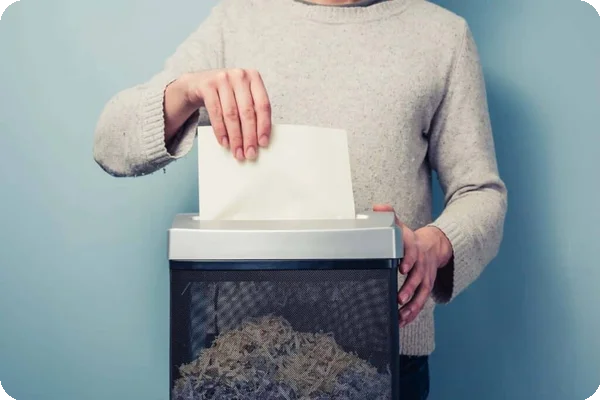
a man in a gray sweater shreds a document into a paper shredder

Few things say “steal my stuff!” like an intact box labeled “42-inch TV” sitting by the curb. Thieves can also steal your personal data from documents you casually toss out. Prevent this by breaking down and disguising boxes. Rip them up or add blank labels so potential thieves can’t see brand names or item descriptions.

Once you’re done with the moving process, shred any sensitive info. Old mail with your old address and new address can be just as valuable to the wrong person as jewelry. Remember, if it has personal data, destroy it before tossing it in a trash.


How to Prevent U-Haul Theft

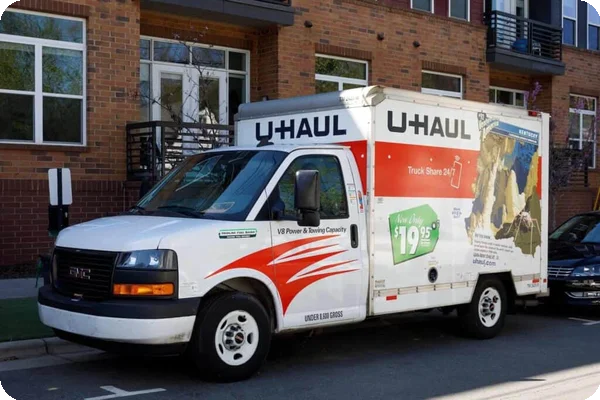
a UHaul moving truck is parked on the curb outside of a brick building

Renting a U-Haul or Penske truck and driving it yourself offers significant flexibility. It also means you’re in charge of security from start to finish. That’s why a few extra measures can shield your stuff from potential thieves.

  • Lock it with something solid: A heavy-duty padlock or disc lock on the cargo door cuts off quick smash-and-grab attempts.
  • Park in a busy, well-lit space: Dark parking lots invite criminals. If you’re stopping for the night, pick a spot near the hotel entrance or under a bright lamp.
  • Back up against a barrier: Positioning the truck close to a wall makes the cargo door inaccessible. That added challenge often prompts thieves to pass by your truck and look elsewhere.
  • Take valuables with you: Nobody wants to lug electronics, cash, pricey collectibles, or sensitive documents around every time they exit the truck, but it’s better than losing them. Even a few minutes of leaving the truck unattended can end in disaster, so keep your most precious items in your personal car or backpack.

Keep your truck locked tight, stash valuables safely, and park where you can keep tabs on it will help make your relocation a smooth and secure move.


What to Do If You Suspect Theft

A woman with an upset and stress expression stands in the middle of stacks of cardboard. The one directly in front of her is open

Even with a great plan, items sometimes go missing. Acting quickly can help you recover them — or at least file a strong claim if they’re gone for good.

  1. Double-check your entire home: It’s easy to misplace boxes under piles of bubble wrap. Do a thorough sweep before concluding that an item was stolen.
  2. Reach out to the movers: Give them a detailed description of what’s missing, in case it got stashed in the wrong truck corner. Reputable pros want to resolve issues!
  3. File a police report: If you’re convinced something was stolen, document it with the police. Offer them any relevant info, such as the mover’s name or the truck’s plate number.
  4. Review possible insurance coverage: Some homeowners or renters policies extend to moves. If you bought additional coverage, check the fine print on theft claims.
  5. Follow up: If the mover is stonewalling or you’re not satisfied, filing a formal complaint with the local authority or the Department of Transportation can escalate the matter.

Don’t wait a second if you suspect theft. Remember to turn your home inside out for any misplaced boxes and jump on the phone with your movers first. If something’s really gone, file a police report and use every official channel at your disposal. Rapid, well-documented action is your power move to recover what’s yours.

Top Reasons Why Theft Occurs During a Move

A move can be a day of chaos. Thieves see it as a golden opportunity. Understanding why theft happens can clarify the steps needed to protect your stuff.

Weakness Thieves Can ExploitWhy It’s a Hazard
Open trucks and doors invite easy accessConstant comings and goings can allow strangers to slip inside without much effort.
Inexperienced or unchecked moversMovers who aren’t vetted might have questionable track records or ulterior motives.
Unattended vehiclesA truck left far from view, especially in a dimly lit corner, can become a target.
Lack of inventory controlWithout a list, you might not catch missing boxes until it’s too late to trace them.
Poor document managementCarelessly discarded mail, financial statements, or labels can increase identity theft and inform burglars about what’s worth stealing.
Disorganized packingItems strewn everywhere make it easier for something small to vanish without notice.
No clear plan for valuablesLeaving cash, jewelry, or pricey devices for others to pack raises the risk of something disappearing.
Hasty hiringAccepting the first mover who quotes the lowest price sometimes backfires if they lack credentials.

Items Most at Risk

Several categories stand out as prime targets for moving theft:

ItemWhy It’s Targeted
Prescription medicationsThese can be resold.
JewelryRings, watches, heirlooms, or cufflinks fit easily in a pocket.
CollectiblesRare coins, limited-edition figurines, sports memorabilia, and vintage vinyl can sell at high prices.
Credit card numbers and IDsIdentity theft can be just as damaging as property theft.
Small electronicsTablets, laptops, handheld consoles, or smartwatches are lightweight and easy to grab.

How to Prevent Theft During a Move

Moves present unique security challenges. Everything is in transit, new faces come and go, you’re juggling more tasks in one day than you might in an entire month, and random, unexpected emergencies can crop up.

"Never let movers handle essential items like passports, Social Security cards, birth certificates, or marriage licenses. The same logic applies to expensive family heirlooms or pricey laptops."

With so much happening at once, a methodical approach can turn this hectic day into a smooth and safe transition.

Here’s a quick recap of how to keep your move secure from start to finish:

  • Vet your moving crew (or look for movers through a marketplace that vets them, such as HireAHelper!)
  • List, label, stash, and track—establish an inventory, label boxes discreetly, and set aside precious belongings in a locked area or your personal bag.
  • Remain alert during loading and unloading, particularly with open doors, parked trucks, and anyone stopping by.
  • Shred identifying documents and dismantle boxes so no one can tell what you just moved.
  • Act quickly if anything goes missing, and lean on insurance or official channels if necessary.

In addition, think of your rental truck as a mobile vault — lock it up, park smart, and keep an eye on it.

Following these guidelines means you’re far less likely to lose something important. A few small decisions can protect your belongings and your overall peace of mind. Instead of worrying about lost boxes, you’ll focus on decorating your living room or meeting your new neighbors.

HireAHelper is here for every step — from connecting you to vetted movers to providing practical advice that keeps those valuables in your care. Enjoy your new home!

Recent Articles

Woman cleaning fridge interior with gloves and spray bottle

Move-Out Cleaning Checklist: Room-by-Room Steps

Moving Day Tips

A move-out cleaning checklist is important for getting your security deposit back, preparing the space for the next tenant, and helping you keep track of often-forgotten cleaning tasks like scrubbing baseboards,... Read More

A pile of boxes filled with various items. Shoes and pillows are stacked on top of some of them

Moving Day Survival Guide: What Should I Keep With Me?

Moving Day Tips

Moving into a new home is an exciting milestone, but it can also be overwhelming. Proper preparation can make the transition smoother and help you settle in quickly.

One of the most important steps in this process... Read More

A homeowner unplugging an electronic device and labeling cords before movers arrive

Preparing for Moving Day: 10 Ways to Make Your Movers' Lives Easier

Moving Day Tips

There are a lot of tips and tricks out there to streamline your move, but ultimately, the best way to prepare for movers is to have everything organized and ready to go before your movers arrive. This not only... Read More

A person spreading rock salt onto an icy driveway after a winter storm

Should You Use Salt or Sand on an Icy Driveway?

Moving Day Tips

Although summer is the most popular moving season for several reasons, moving in the winter also comes with plenty of advantageslike scoring lower rates thanks to off-peak season pricing.

However, there's one... Read More

two movers in work overalls sit in the bed of a truck and look at the camera

Can You Ride with Your Movers?

Moving Day Tips

The short answer is: no, you normally can’t ride with your movers in their truck. Most moving company policies prevent it because of liability concerns and insurance limitations.

Also, many moving trucks only have... Read More

A professional mover using tools to disassemble a bed frame for transport

Do Movers Assemble and Disassemble Furniture?

Moving Day Tips

Yes, many professional movers will provide furniture assembly services. They’ll disassemble furniture before a move and reassemble it at your new home. However, certain items might not qualify. Movers handle... Read More