The Full Packing Supplies List
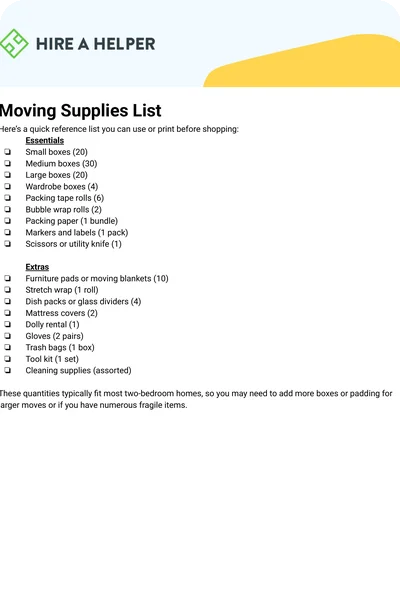
Most people don’t realize how much they actually own until everything has to be packed into boxes, but the good news is that packing gets a lot easier when you have the right materials on hand. With a little preparation, you can turn a big, messy job into something simple and organized. Here’s what to grab before you start.
Core Packing Materials
It’s always best to have the right materials on hand and ready to go. Here are the basics that’ll keep your things safe and make the packing process feel a little less stressful.
Moving boxes (small, medium, large, and specialty)
Boxes are the starting point for every move. Use small ones for heavy things like books and pantry cans, medium boxes for kitchen gear or electronics, and large ones for lighter items like bedding or pillows. You can also get specialty boxes to help with specific items. Wardrobe boxes make moving clothes easy, and sturdy specialty boxes give TVs, mirrors, and other fragile pieces a little extra care.
Try our Moving Box Calculator to get a quick estimate for your home size, or check our Moving Boxes Size Guide for a breakdown of what works best.
Bubble wrap vs. packing paper
It is easy to think that bubble wrap and packing paper do the same job. They can both be used to wrap things, but they actually serve different purposes. Bubble wrap gives fragile or odd-shaped items the cushion they need, and packing paper fills the empty gaps that keep items from sliding around. Most people end up using both because they work together to protect your things. You can learn more in Bubble Wrap 101.
Packing peanuts and foam sheets
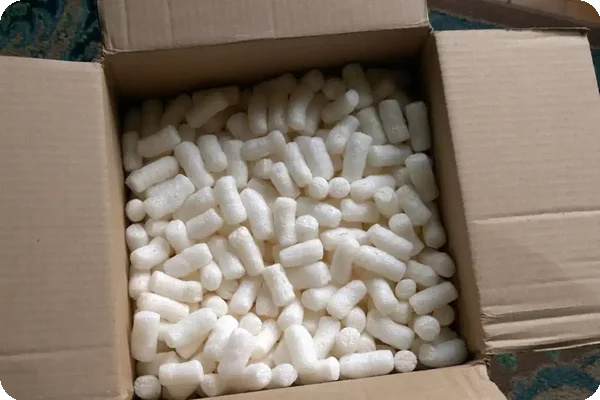
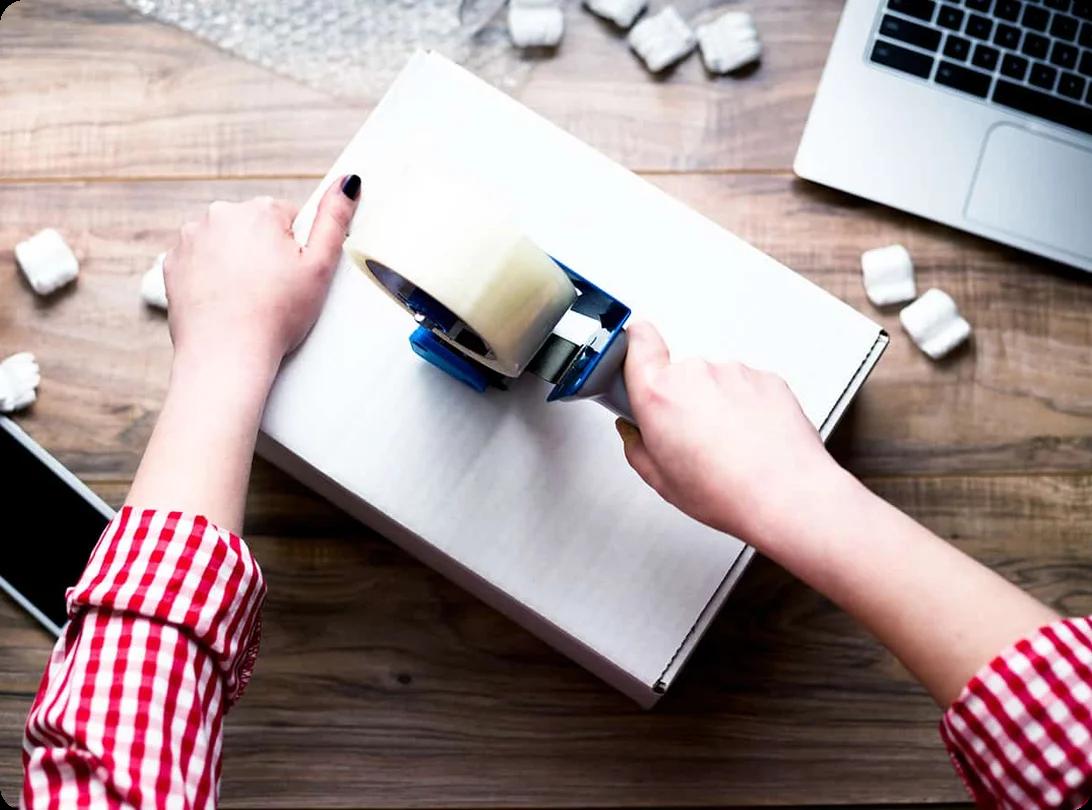
Much like packing paper, these items are used to prevent items from knocking into each other while they’re being moved, and they make a big difference. Foam sheets are typically used to slide between plates and picture frames, and peanuts fill gaps in boxes and other containers to cushion items and keep them in place.
Labeling system
The more detailed your labels are, the easier unpacking becomes. Use bright stickers or colored tape to flag each room, then write a clear description on at least two sides of the box. Something like “Guest bedroom, patterned queen bedset” will help you find things much faster than a simple “bedding” note.
Specialty Packing Supplies
Some things need more care than the usual box and tape setup in order to arrive safely at your new place. Investing in a few specialty supplies can save you from damage that’s expensive (and frustrating) to fix later.
TV and picture boxes
Flat-screen TVs, framed art, and mirrors don’t typically fit into regular boxes. Get sturdy, fitted boxes that match your screen size, and add foam or cardboard around the edges to prevent shifting. Once everything’s wrapped and secure, tape it up and keep it upright in the truck. For a full walkthrough, see How to Pack a TV.
Dish barrels and glass dividers
Anything fragile in your kitchen probably needs extra attention. Dish barrels and glass divider kits have thick walls and built-in sections that keep plates and glasses from bumping together.


 Karen BodkinAug 28, 2026