How to Pack Fragile Items for a Long-Distance Move
Even though certain items are more prone to damage, you can keep them safe by packing them carefully and correctly. Here's a plan to get you started:
Dishes and glassware

Wrap each piece individually with packing paper. When placing these items in boxes, use packing peanuts or bubble wrap to prevent them from bumping into each other. We recommend using specialty boxes for wineglasses and mugs. Check out our guide How to Pack Fragile Glass and Dishpacks for in-depth instruction.
Mirrors
Use a mirror box to prevent cracks. Alternatively, you can sandwich a mirror between two pieces of cardboard. Wrap the mirror with a moving blanket for an extra layer of protection. And don’t forget to protect the corners with pieces of cardboard or extra cushioning! They’re especially prone to breakage.
Mattresses
The best way to protect a mattress for a move is to slip it into a cover and seal the ends with packing tape so dirt or moisture can’t get inside. When loading and unloading, always lift the mattress instead of dragging it on the ground, which causes rips and tears.
Artwork
Instead of stacking canvases flat, stand them upright. Use acid-free paper to wrap paintings and other works of art. If you're an artist packing up your own work, check out our guide on how to pack your art supplies.
Electronics
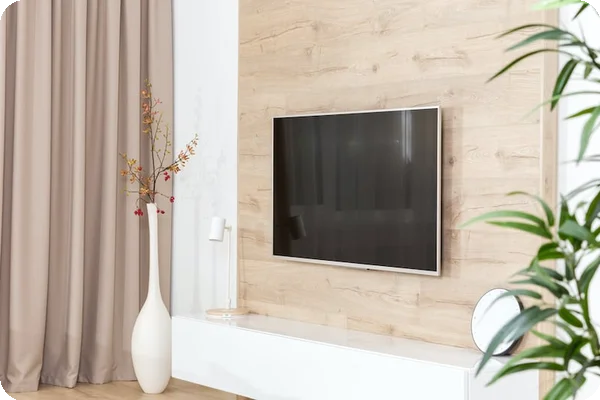
Remove cables, memory cards, and other external components. For each item, use a double-walled box made of corrugated cardboard. The box should be slightly larger than the item. This prevents shifting while giving you enough room for bubble wrap. Finally, you should add moisture absorbers to each box to prevent moisture-related damage.
Appliances
For items such as ovens and refrigerators, tape doors closed and drain the water lines (if applicable). Use padding around knobs or handles, since these can easily break off or hit other items during transit.
Wooden furniture
Use corner protectors to prevent chips and scratches on the parts most likely to get damaged. Then, cover each piece with a moving blanket to prevent scratches or other dings.
Lamps and lampshades
Before packing, remove all detachable parts. Separate the shade from the base, then wrap the bulb securely in bubble wrap and place other small parts, like finials or harps, in a resealable bag. If you don't have a lamp box, use a moving blanket to protect the base.
Choosing the Right Packing Materials
Whether you're packing a family heirloom or an expensive gaming system, the right materials make all the difference. Before you start packing, gather these supplies:
- Bubble wrap
- Packing paper or foam peanuts
- Moving blankets
- Sturdy boxes
Label Fragile Items to Ensure Safe Handling
Make things easier by labeling all fragile items. You can write "FRAGILE" on boxes with a permanent marker or attach pre-made labels. Avoid using sticky notes — they tend to fall off. You should also indicate which side is up, since this prevents you or your movers from accidentally flipping the box upside down.
When loading your truck or shipping container, distribute weight evenly. Start by loading heavy items, such as furniture and boxes of books, and then place lightweight items on top, so nothing gets crushed. Use ratchet straps as you go to secure each column of boxes.
Cushion Strategically
While a little extra space is fine, too much of it increases the risk of damage during a move. To protect your favorite items, place crumpled packing paper at the bottom of each box. Add your items, and then use packing paper or foam peanuts to fill in any gaps.
If you have something particularly delicate, consider double-boxing it and adding padding between the inner and outer boxes.
Prevent Jostling and Movement
Tie down each column of boxes as you load your truck or shipping container. Then place padding between large items to keep them from shifting or tipping over.


 Karen BodkinAug 28, 2026