Planning Your Self-Move
Pulling off a successful DIY move takes more than just renting a truck and tossing your belongings in the back. From budgeting to driving the truck yourself, the more prep work and planning that you do up front, the smoother your move will go.
Start by building a timeline 6–8 weeks ahead of your move date. Then work your way down a detailed checklist, from renting a truck to rallying friends for loading day. This is also a great time to update your address with everyone.
The budget you build and the decisions you make ahead of time will define your entire experience. To help, we’ve outlined the key areas to focus on.
Supplies You’ll Need for a DIY Move
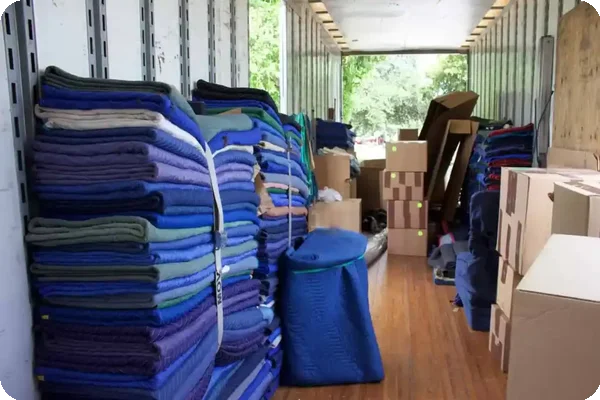
Start gathering your moving supplies early so you’re not scrambling the week before your move date. Think beyond just boxes and to things like dollies and moving blankets so you have the right tools for the job.
You'll also need to decide what to rent and what to borrow. Some gear is worth the money you'll spend. Other items you can likely borrow. And don’t be afraid to ask around. You might be surprised by what a friend or neighbor has that they're willing to let you use.
Rent or purchase:
- Moving truck or trailer (book early!) with a ramp or lift gate for easy loading/unloading
- Portable storage container, if preferred to a truck
- Appliance dolly and hand truck
- Furniture blankets or pads
- Shrink wrap for furniture protection
- Specialized boxes for delicate, expensive, or special items, like mirrors, electronics, and fine glassware/china.
Borrow or find used:
- Cardboard boxes in various sizes
- Plastic tubs
- Heavy-duty tape and tape guns
- Moving straps and ratchet tie-downs
- Permanent markers and color-coded labels
- Hand tools for disassembling furniture
- Bubble wrap and packing paper, or towels for cushioning
- Work gloves for grip and hand safety
For free moving boxes, ask local grocery or liquor stores, check online marketplaces, or borrow from friends who’ve moved recently. If you need specialty equipment such as mattress bags or furniture sliders, add those to your rental or purchase list.
Packing for a Self-Move
A strategic approach to packing is your best defense against chaos and damage. Begin by decluttering and downsizing. Go room-by-room and decide what to sell, donate, recycle, or throw away. The less you pack, the less you lift, and the less room you'll need when it comes time to load the truck. This saves you money in the long run!
Packing best practices:
- Pack heavy items in small boxes: Books, most knick-knacks, and dishes fall into this category.
- Use large boxes for light items: This includes bedding, pillows, stuffed animals, etc.
- Wrap breakables: Use bubble wrap, packing paper, or thick towels.
- Disassemble bulky furniture: Place hardware in a labeled bag taped to the item so you don’t lose it during the move.
Label everything clearly with the room and contents, and consider using a color-coded system to match boxes to their destination. Number each box and create a master inventory to make unloading and unpacking easier later. Make sure you also label boxes with fragile contents so your friends, family, or professional movers know to handle those with extra care.
If you picked up previously used boxes, reinforce the bottoms with extra tape to avoid them breaking open mid-move.
How to Load a Moving Truck Like a Pro

Loading a truck efficiently is part science, part Tetris. A well-packed truck prevents shifting, maximizes space, and protects your belongings.
It’s also best to enlist help early. Don’t assume people will be free on moving day, and offering some sort of food and drinks doesn’t hurt, either.
That said, sometimes friends cancel, or you need an extra set of hands with experience. This is where hybrid moving comes in. You rent the truck, but hire moving labor to do the heavy lifting. It’s affordable, efficient, and protects your back from unnecessary strain.
If you choose not to hire anyone, use these packing and loading strategies:
- Load heavy items first: Appliances, dressers, couches. Position them along the walls and toward the cab to distribute weight evenly.
- Lift safely: Always lift with your legs — not your back — and avoid twisting. Use dollies and sliders for bulky items, and don’t be afraid to ask for help if something feels too heavy.
- Stack boxes from heaviest to lightest: Secure sections with tie-down straps every few feet.
- Fill in gaps with soft items: Pillows, blankets, or towels will help prevent shifting.
- Keep essentials with you, not the truck: You want everything important within easy reach, so set aside an “essentials bag (or box)”. This should include cleaning supplies, basic tools, and your travel bag with important paperwork.
Transporting Your Belongings
Once your truck is packed and ready, the work's not over. You now have to manage the driving. Good planning can really pay off here and prevent an accident.
Driving tips:
- Practice before you go: Take a few spins in an empty parking lot to get used to the wider turns and longer brake time.
- Plan your route: Use a GPS app with a truck-safe setting to avoid low-clearance bridges, narrow streets, and tight turns.
- Check the weather: Snowy conditions, wind, and rain require even more careful driving in a large truck.
- Park smart: Try to avoid having to back up, if at all possible. Always lock the cab and cargo doors, and choose well-lit areas with security cameras if you’re stopping overnight.
On long hauls, factor in time for rest, meals, and fuel stops, and check in advance if you need to stop at weigh stations. Keep your phone charged and snacks within reach.
Moving Day Tips for DIYers
Little details matter on moving day, from double-checking your home to making sure you have key items within reach. Staying organized and intentional makes the difference between a chaotic move and a controlled one. Below are practical tips to help you navigate moving day with clarity and confidence.
Before leaving:
- Do a final walkthrough of your home.
- Check every room, closet, and drawer, and don’t forget high cabinets or shelves.
- Confirm utilities are shut off or transferred to your new address.
- Disconnect, drain, and secure large appliances.
Keep an essentials bag close and include:
- Toiletries
- Medications
- Snacks and water
- Charging cords and bricks
- Keys and IDs
- Important paperwork
And don't forget to hydrate and pace yourself. Self-moving is a marathon, not a sprint.
Unloading and Unpacking
Taking the time to unload with purpose and unpack in the right order will help you avoid frustration, reduce clutter, and ease your transition into your new space. Here's how to wrap up your move strong without burning out on day one.
As you unload:
- Check your inventory: As you take boxes off the truck, confirm nothing’s missing.
- Place boxes in the correct room: Take labeled boxes to the designated room as you bring them in, don't leave them near the front door.
- Unpack essentials first: This typically includes bedding, bathroom items, and kitchen basics.
- Break down as you go: Collapsing boxes and collecting packing materials in a designated container helps reduce clutter.
- Wipe down shelves and surfaces: Before putting things away in cabinets or on top of furniture, remove any dust or debris with a damp cloth.
Don’t feel as though everything has to be unpacked in one day. Start with the basics and what would help you get back into a comfortable routine, then take your time settling in.




 Karen BodkinJul 20, 2026


.png&w=64&q=75)