How I Pack a Dishpack

A dish-pack box partially filled with paper-wrapped dishes carefully arranged on edge

If you’ve ever unpacked a moving box and discovered shards of broken dishes, you know the importance of using dish pack boxes for your fragile items. These specialty moving boxes (also called dish barrels) help you transport fragile kitchenware safely, providing more protection than standard cardboard boxes.

Professional movers and collectors swear by dish packs for plates, glassware, china, stemware, delicate figurines, and crystal. But the pros already have the know-how when it comes to packing. If you’re planning a DIY move, understanding how to pack a dish pack yourself is also helpful. In this guide, we’ll cover what a dish pack is, why it's good for fragile items, how to pick the right kind, and how to pack a dish pack like a pro.

Last updated: Sept 12, 20255 min read
Kevin The Mover
Written byKevin The Mover

Key Takeaways

  • A dish pack (or dish barrel) is a heavy-duty box: engineered specifically for fragile kitchen items — thicker walls, often double-corrugated, and often taller than standard boxes
  • What goes inside: glassware, plates (on edge), bowls, stemware, vases, and other fragile kitchen items — heavy items at the bottom, lighter on top
  • Common mistakes: packing dishes flat instead of on edge, not enough cushioning between items, and overstuffing the top so the box can't close cleanly
  • Pro packer Kevin's approach: paper-wrap each item, lay paper at the bottom, plates on edge, glassware in the middle, lighter delicate items on top, fill all gaps
  • Always label "FRAGILE — DISH PACK": and load these into the truck where they won't be stacked under heavy boxes
Kevin The Mover
Author

Kevin The Mover

Kevin Kato is a travel and home services writer with over 20 years of experience as a professional mover.

Having been both a professional mover and a crew leader, Kevin has seen it all in the world of moving: hectic moves, unique packing, bizarre accident claims, truck mishaps, or just run-of-the-mill moves as advertised; there is virtually no situation Kevin hasn't managed. Today, Kevin provides his insights as Kevin The Mover for professional movers and "movees" everywhere.

What Is a Dish Pack or Dish Barrel?
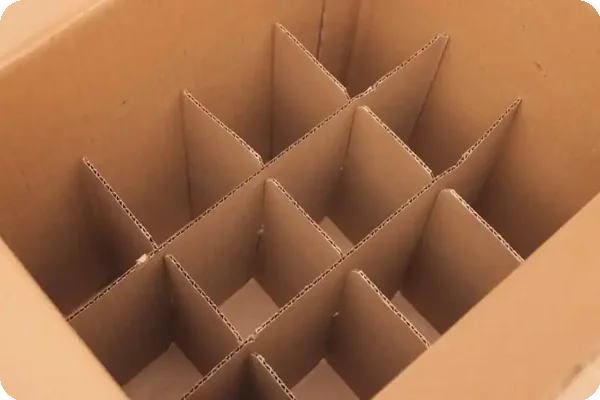
Cardboard dish pack box with dividers for packing dishes and glassware safely during a household move.

A dish pack, often called a dish barrel, is a sturdy box made for fragile or delicate items. You may also hear smaller dish packs and dish barrels called kitchen boxes. These heavy-duty boxes are engineered with double-walled or triple-walled corrugated cardboard for extra strength. The way you can tell is that corrugated cardboard has a “wavy” inner layer. This fluted interior cushions fragile items and provides impact resistance.

Dish packs are typically taller and narrower than regular moving boxes. Their unique design helps distribute weight evenly and keep fragile items upright during transport.

These specialty boxes are great for safely transporting household items, including:

  • Plates and bowls
  • Glasses and mugs
  • Serving platters
  • Fine china
  • Crystal stemware
  • Collectible or decorative pieces

Thanks to their reinforced construction, dish packs can handle more weight than standard moving boxes. A standard-sized dish box, which often measures approximately 18" x 18" x 28", typically holds 60 to 70 pounds. Some dish boxes can hold more than 100 pounds. However, you should keep the weight under 50 pounds. Otherwise, you or your movers may get hurt lugging around heavy items.

Many dish barrels come with optional cardboard dividers to create compartments. These practical compartments stop items from clinking together during transit, and help prevent chips, scratches, and breakage. You should use them if they come with the dish packs you're using, or consider buying the inserts separately if you want to keep certain dishes extra safe.

Cost, Availability, and Alternatives

You can expect to spend approximately $15 to $30 per dish pack. Prices vary based on box size, wall thickness, and whether dividers are included. You can save money by buying dish barrels in bulk or purchasing gently used kitchen boxes.

Dish pack alternatives include:

  • Glassware boxes: Custom-shaped inserts protect fragile items such as wine glasses and mason jars.
  • Mirror cartons: Ideal for mirrors and other fragile, flat belongings, including holiday serving trays.
  • Small wardrobe cartons: Designed for clothing, but they’re also a smart choice for tall items like floor vases.

There are plenty of other tips and workarounds, and you can find some more on our packing help hub.

Benefits of Using Dish Packs Over Regular Boxes

The biggest advantage dish packs have over regular moving boxes is the shock-absorbing corrugated cardboard interior. This extra layer in a dish pack provides superior protection for fragile items.

“Forgetting to mark the box with ‘Fragile' and ‘This Side Up’ can lead to you or movers unintentionally flipping or stacking heavy items on top of your dishpacks.”

These reinforced walls also make stacking simple in the moving truck, and the dish pack's tall, narrow shape makes the box easy to carry by keeping the load balanced. Unless it’s something exceptionally fragile or precious, you can typically pack multiple items inside a dish pack without worrying about cracks or shattering.


What Goes Inside a Dish Pack

Dish packs are ideal for fragile kitchenware and small or medium breakables. Here are some common household items that can go inside a dish pack:

However, some housewares and kitchen items do better in other moving boxes. Skip the dish barrel if you're packing these items:

  • Oversized cookware, like stock pots or roasting pans
  • Heavy cast-iron skillets or crockpots
  • Liquids

Professional movers recommend packing dish packs tightly without overstuffing them. Make sure you include plenty of padding between each layer.

Consider a three-layer cushioning method. Use folded paper on the bottom, a layer of crumpled paper in the middle, then another layer of folded paper on top. This keeps heavy dishes from crushing your cushioning.


Common Mistakes to Avoid With Dish Packs

Even the sturdiest dish pack can damage your items if you have poor packing techniques. Keep everything in one piece by avoiding these common errors:

  • Overloading the box: Makes it too heavy to lift safely, and can also cause the box to collapse.
  • Skipping the bottom padding layer: Not having this extra cushion leaves items vulnerable to impact when being set down and in transit.
  • Mixing fragile and non-kitchen items: This can cause shifting and breakage.
  • Not labeling properly: Forgetting to mark the box with “Fragile” and “This Side Up” can lead to you or movers unintentionally flipping or stacking heavy items on top of your dishpacks.

Kevin the Mover Explains How to Pack a Dishpack

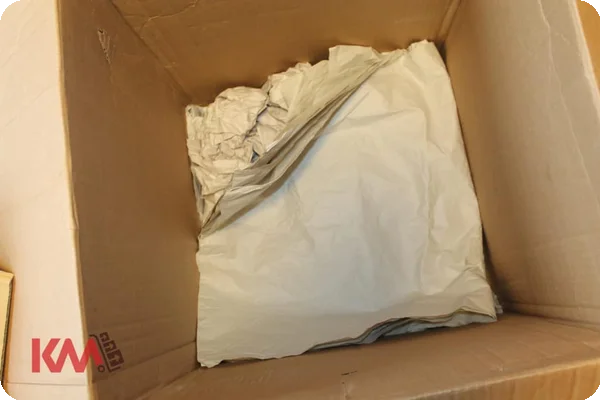
Inside an open cardboard box with crumpled light brown packing paper at the bottom.

Kevin the Mover, a longtime moving pro with years of experience, has packed more dish packs than he can count. In his opinion, you should always start with the bottom with some layer of paper to act as a cushion. According to Kevin, there are two common ways to do this:

“Some movers will fold a dozen or so sheets of packing paper to create their thick layer of padding. Others will ball up these dozens or more sheets of paper and create a sea of crumpled newsprint at the bottom of the box.”

But there are some drawbacks to either method. Folding packing paper might not give you enough of a cushion, and the crumpled ball method might collapse or create gaps that your dishes or other fragile belongings can fall through. Kevin, however, came up with a third option:

“But what else was there to do? It had to be one or the other, right? Then one day it hit me — and now I do both.

Ever since that “Eureka” moment, I start my dishpacks by putting down a layer of several folded sheets of packing paper, adding a dense layer of crumpled paper, then topping that off with a layer of more folded sheets of paper. The crumpled paper layer in the middle gives plenty of cushioning, while the layers of folded paper help keep that middle layer in place.

There’s more than one way to cushion a dishpack. This just happens to be my favorite because it provides the most amount of support, which in turn, has helped me keep claims down to a minimum."

Now you also have this method to help you pack your most fragile items, and get them to your new home in one piece.

Recent Articles

A person frantically packing boxes during a last-minute move with a calendar showing the urgent move date

Last Minute Moving: Our Checklist for Getting Out in a Hurry

Packing

Planning to move soon? Like, really soon? Last-minute moving can cause panic, no matter the reason. Maybe an emergency happened, and you have to relocate quickly, or you're offered an exciting job opportunity that... Read More

Kitchen drawer organizer filled with utensils being prepared for packing into a moving box

How Do I Pack Kitchen Utensils?

Packing

Unlike your couch or dresser with four tiers of drawers, kitchen utensils and silverware are small might seem like they're easy things to move to your new home. They're small, light, and typically not very... Read More

an image of a queen mattress on a wooden floor

Packing a Queen Mattress: The Plan vs. Reality

Packing

Every day, people search for advice on moving a mattress because they are bulky, awkward, and easy to damage. So if you’re searching for answers on how to get yours out the door, you’re not alone.

Knowing how to... Read More

A woman sets down an item into a box. The angle of the shot is from the bottom of the box pointing upwards, so it looks as through the woman is reaching towards the camera

What Should You Pack First When Moving?

Packing

The short answer to what you should start packing first is to pack things you don’t use daily. If it can sit in a box for a few weeks without disrupting your routine, it can be packed early. Items in garage... Read More

College student moving into a dorm

How to Pack for College: Complete Dorm Packing Guide

Packing

Getting ready for your first year is thrilling, but it is so easy to bring way too much stuff. To pack for college efficiently, double-check your dorm’s rules, coordinate with your roommate, and follow a... Read More

A woman holding multiple rolls of clear packing tape and a tape dispenser

The Best Type of Packing Tape to Use When Moving

Packing

If you browse office and craft store aisles, you'll find dozens and dozens of tape options. While they all serve a purpose, most aren't ideal for packing. The best packing tape to use when you move is a product... Read More